Wangdue Phodrang
- Region
- Western Bhutan
- Altitude
- 1,300 m
- Best time
- October–November and March–May; the tshechu falls in September or October
- Getting there
- About 30–45 minutes from Punakha; about 3 hours from Thimphu over Dochu La
Why stop in Wangdue Phodrang
Most visitors pass through Wangdue on the road between Punakha and central Bhutan and see the dzong only from the car. It is worth an hour or two. The town sits where the Punatsang Chhu and the Dang Chhu meet, lower and warmer than Paro or Thimphu, and the dzongkhag it gives its name to is large: it reaches all the way up to the Phobjikha valley.
The dzong on the sleeping elephant
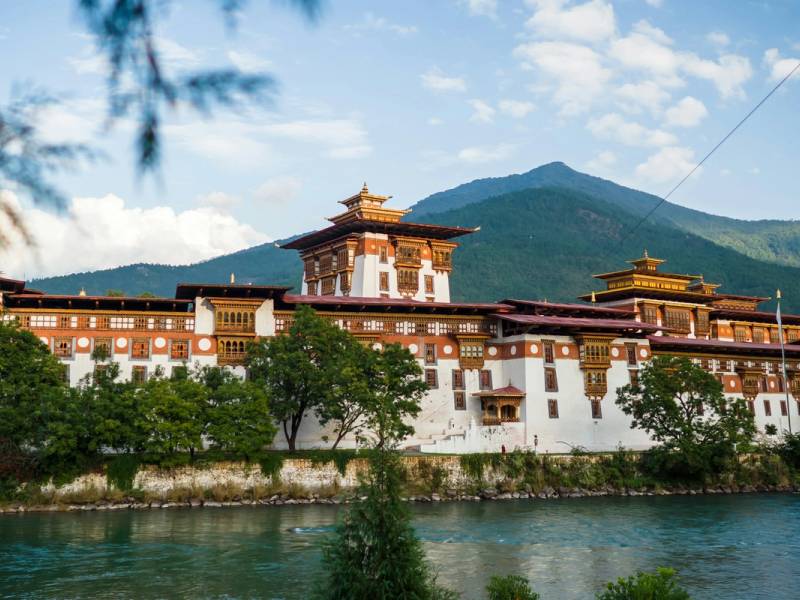
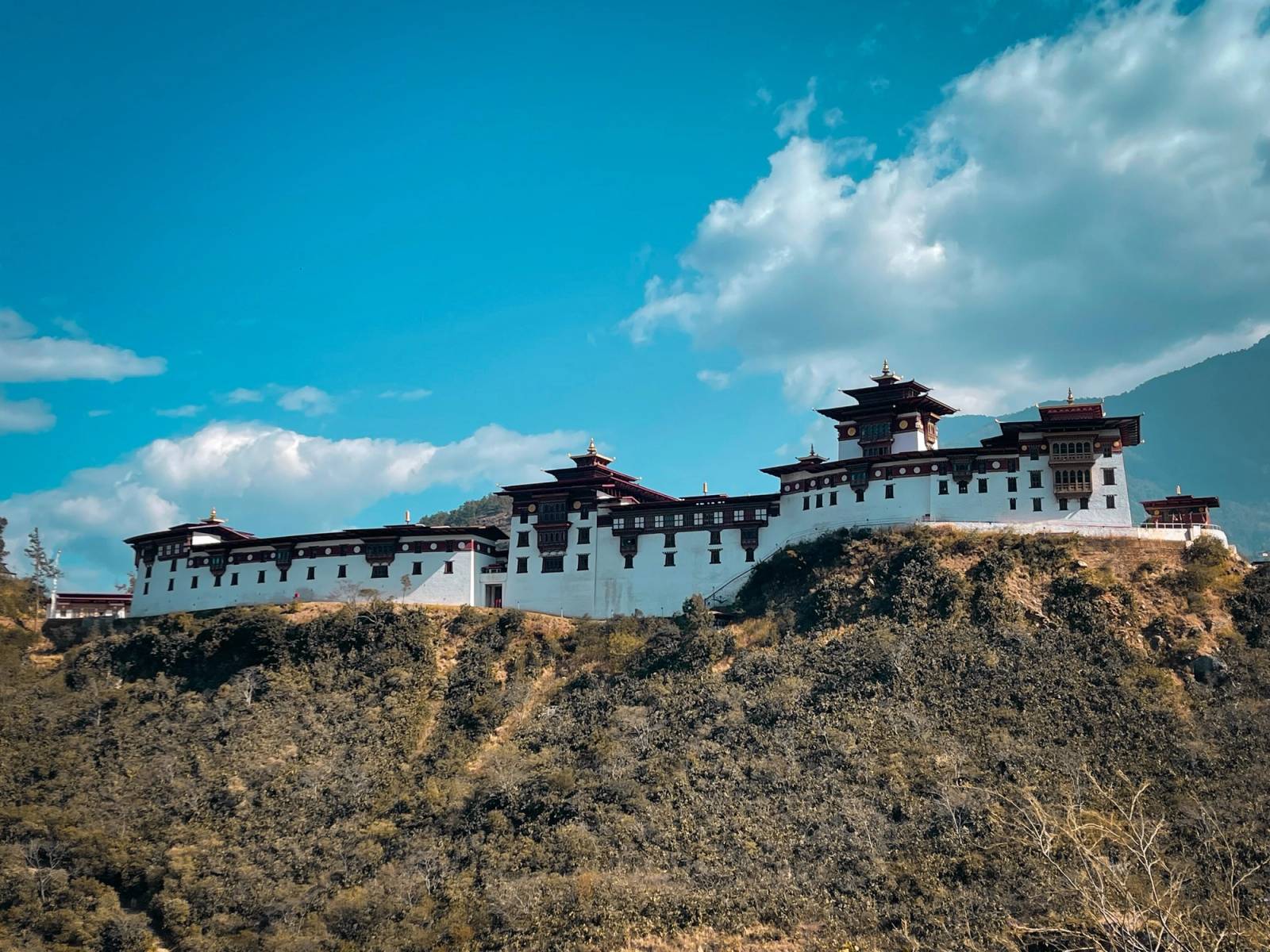
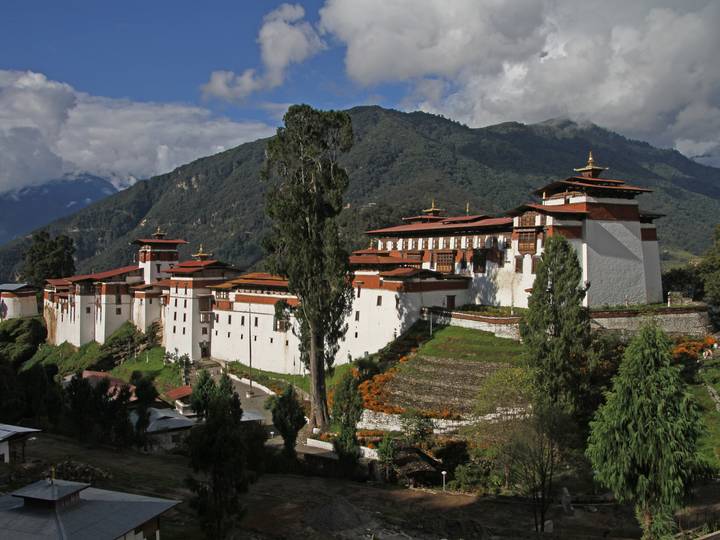
The Zhabdrung founded Wangdue Phodrang Dzong in 1638 on a high ridge between the two rivers. The story told locally is that while he was at Chimi Lhakhang, an old man, whom he took to be the protector Mahakala, told him that if he built a dzong on a ridge shaped like the neck of a sleeping elephant, he would unite the country. The name means roughly “palace of unification”.
The fortress was extended in 1683 under Tenzin Rabgye, who added courtyards along the spine of the ridge, and it was repaired after a fire in 1837 and an earthquake in 1897. Then on 24 June 2012 a fire destroyed it almost completely. Because renovation was already under way, most of the old relics were in storage and survived. Rebuilding began in 2014, and the new dzong was consecrated on 11 November 2022, with the Je Khenpo leading the prayers. The new dzong hides some modern engineering, including bearings in the foundation of the central tower against earthquakes and a service tunnel down the spine of the ridge. The Bhutanese (opens in a new tab) reported on the consecration.
Visiting works as at any dzong: long sleeves and trousers or a long skirt, a guide with you, and no photographs inside the temple rooms. Our cultural etiquette guide has the details.
Rinchengang and the bridge chorten
Look across the river from the dzong and you will see Rinchengang, a tight cluster of earth-walled houses on a hilltop. It dates from the 17th century and was settled by master masons brought in by the Zhabdrung; their work went into Wangdue Dzong and many other dzongs and temples. In 2025 a project began to redevelop it, under the new name Drinchengang, as a heritage village under a royal initiative, with families moving to a new settlement close by. Ask your guide what can be visited while the work goes on.
Down at the river, a small white chorten stands on a stone base beside the road bridge. It marks the old cantilever bridge, built after the dzong under a Rinchengang mason called Drakpa. A mandala was set into its foundation against floods, and when a flood later took the bridge the base is said to have survived. According to the Dzongkhag’s own history (opens in a new tab), the chorten was repaired in 2022 and reconsecrated in 2023.
Bajothang, the newer town a short drive up the valley, is where you will find the busy Sunday vegetable market.
Seasons and the autumn tshechu
At about 1,300 m, Wangdue is mild in winter and hot and wet in the summer monsoon. Autumn (October and November) and spring (March to May) are the most comfortable. The Wangdue tshechu starts on the 10th day of the 8th Bhutanese month, which falls in September or October, and runs for three days. Check dates in our festival calendar and read a first-timer’s guide to tshechu festivals before you go. For the wider picture, see the best time to visit Bhutan and weather by region.
Fitting Wangdue into a trip
If your trip already reaches Punakha, adding Wangdue costs a morning, not a day. From Thimphu the road crosses Dochu La and takes about 3 hours; from Punakha, with Punakha Dzong, it is about 30 to 45 minutes. Wangdue is also the turning point east: about 2.5 to 3 hours on is Phobjikha, with Gangtey Monastery and the black-necked cranes in winter, and beyond that the road runs on to Trongsa and Bumthang. Getting around Bhutan explains how the roads and drivers work.
Photo: Kuenzang Tobgay, CC BY-SA 4.0, via Wikimedia Commons (opens in a new tab)
Things to see in Wangdue Phodrang
Wangdue Phodrang Dzong
Founded by the Zhabdrung in 1638 on a ridge above the Punatsang Chhu and the Dang Chhu, the dzong burned almost completely in June 2012. Rebuilt over eight years, it was consecrated again in November 2022, with its three courtyards laid out along the ridge.
Wangdue bridge chorten
The small chorten on a stone base beside the road bridge below the dzong marks the old cantilever bridge, built by the Rinchengang mason Drakpa. A mandala in its foundation is said to have saved it when a flood took the bridge. It was repaired in 2022 and reconsecrated in 2023.
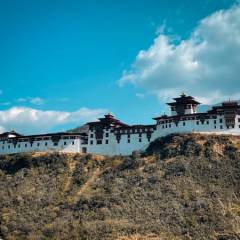
Rinchengang village
A 17th-century cluster of earth-walled houses on the hilltop across the river from the dzong, settled by master masons brought in by the Zhabdrung. Since 2025 it is being redeveloped as Drinchengang under a royal initiative, with families moving close by, so check what is open before you walk up.
Tours near Wangdue Phodrang
Wangdue Phodrang isn't on a set tour yet. These tours pass close by, and any of them can include it.
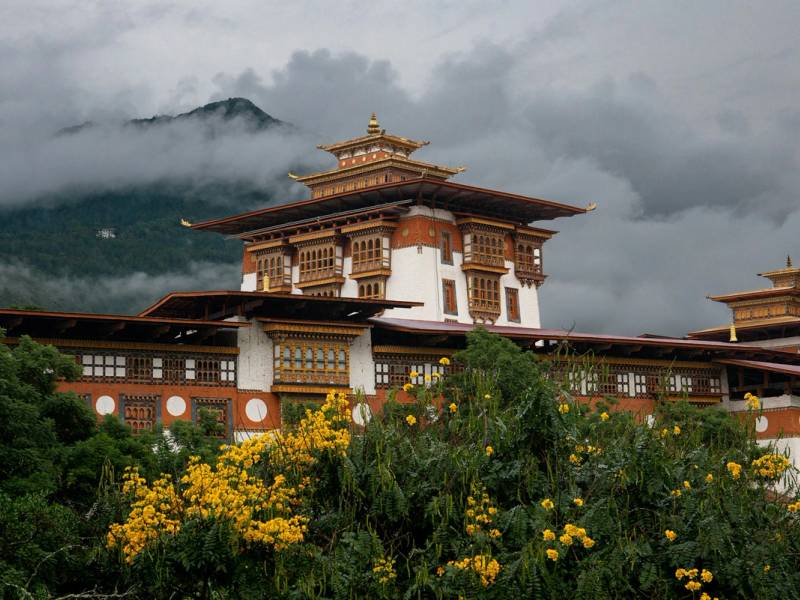
Bhutan Luxury Escape
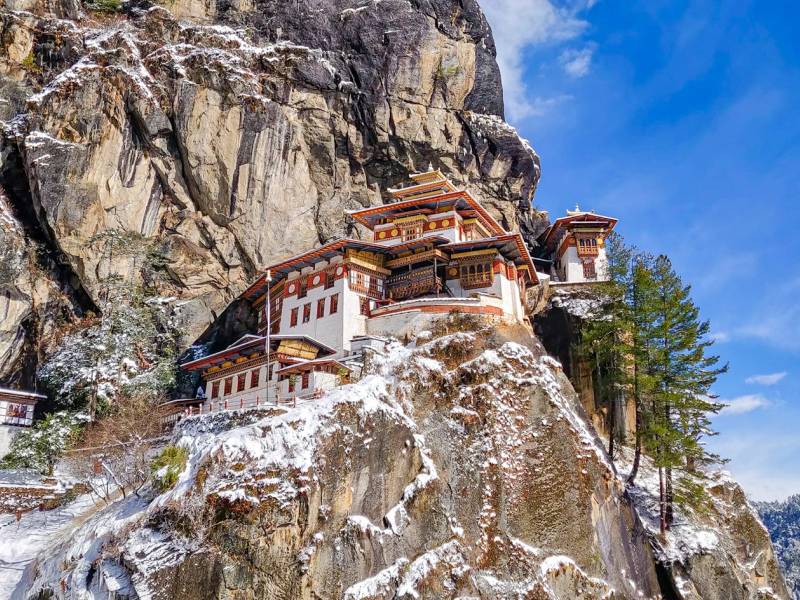
Bumthang Heartland Journey
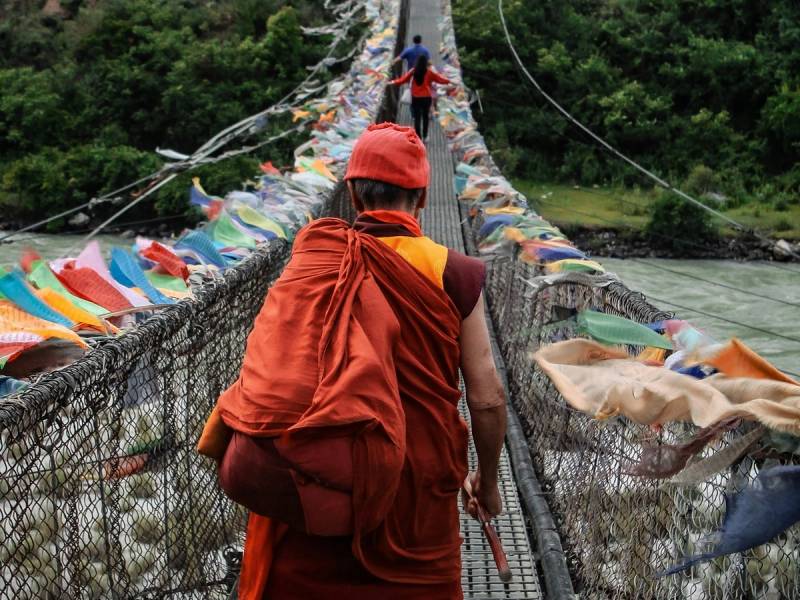
Family Bhutan Adventure
Glimpse of Bhutan
Punakha Drubchen & Tshechu
Places near Wangdue Phodrang
Punakha
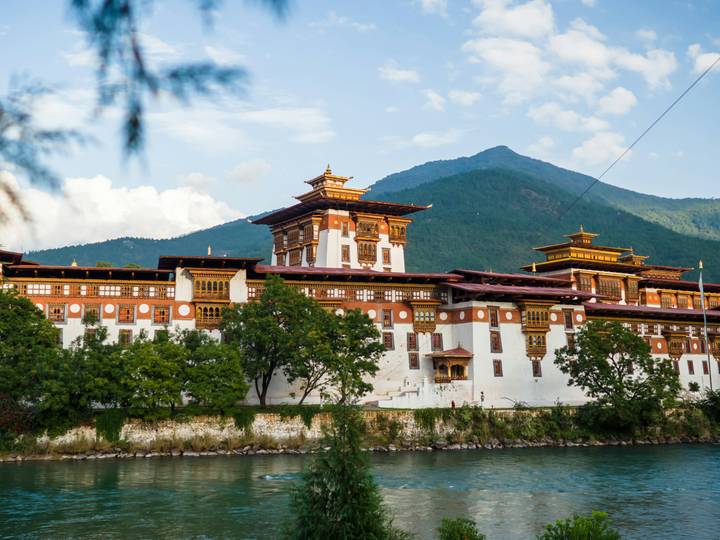
The former capital, warmer and lower than Paro or Thimphu, built around a dzong at the meeting of two rivers.
Phobjikha and Gangtey
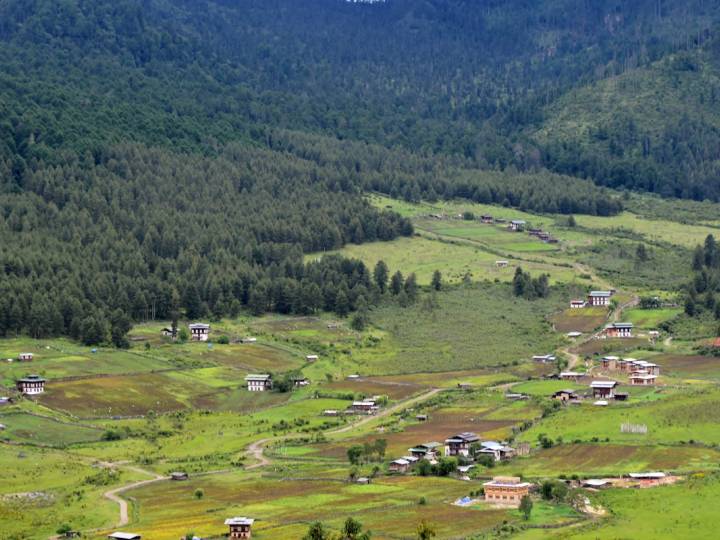
A wide glacial valley at about 3,000 m where black-necked cranes spend the winter, below the old monastery of Gangtey.
Trongsa
The town that held the middle of the country: a great dzong above the Mangde Chhu and the watchtower museum of the Wangchuck kings.
Planning a trip that includes Wangdue Phodrang?
Tell us when you would like to travel. We reply within 24 hours with a free day-by-day plan and a price.

Karma ChodenOperations manager, Bhutan Tour Itinerary
Or call +975 17 81 70 52info@bhutantouritinerary.com
Mon–Sat, 9am–6pm Bhutan time (GMT+6)