Chimi Lhakhang
- Time needed
- 1–1.5 hours, including the walk
- Difficulty
- Easy
Highlights
- Blessings for couples hoping for a child
- Linked to Drukpa Kunley, the Divine Madman
- A 20-minute walk through the rice fields
A temple for the Divine Madman
Chimi Lhakhang is a small temple on a round hillock above the rice fields near Lobesa, where the road from Dochu La comes down into the Punakha valley. It was built in 1499 by Ngawang Chogyal, the 14th Drukpa hierarch, on a site blessed by his cousin Drukpa Kunley (1455–1529), the lama Bhutanese call the Divine Madman.
Drukpa Kunley was born into the Gya family of Ralung in Tibet and trained in the Drukpa Kagyu school, but by the age of 25 he had given back his monk’s vows and married. He spent his life on the road, teaching in the unconventional way known as “crazy wisdom”: through songs, jokes and behaviour that shocked the pious. He is one of the best-loved figures in Bhutanese Buddhism, and stories about him are still told with a grin in every part of the country.
The demoness of Dochu La and the name
The story says Drukpa Kunley subdued a demoness who lived at Dochu La, the pass you cross on the drive from Thimphu. He overcame her with what the tellings call his “magic thunderbolt of wisdom” and trapped her in a rock close to where the chorten beside the temple now stands. In the version most guides tell, she had taken the form of a dog, and the name Chimi is explained as “no dog”.
When Ngawang Chogyal built the temple, Drukpa Kunley is said to have called the hillock “the breast of a woman” because of its round shape.
Fertility, plainly explained
Drukpa Kunley’s “thunderbolt” is his phallus, and that is why Chimi Lhakhang is known as the fertility temple. In Bhutan the phallus is a protective symbol, not an obscenity. Drukpa Kunley is credited with starting the custom of painting phalluses on house walls and placing carved ones on rooftops to drive away evil spirits. You will see these paintings on the farmhouses along the walk in. Bhutanese treat them without embarrassment, and the polite thing is to do the same.
The temple keeps the original wooden phallus that Drukpa Kunley is said to have brought from Tibet, fitted with a silver handle. Couples hoping for a child come here from across Bhutan, and the monk on duty blesses them by tapping them on the head with a wooden phallus, about 25 cm long. Couples who later have a child often come back for a name: the monk draws a bamboo slip with a name written on it from the altar.
This is a working shrine, and the blessing is a serious matter to the people who come for it. Visitors are welcome to ask for one. Your guide will explain what happens and talk to the monk for you. People usually leave a small offering at the altar.
Inside the temple
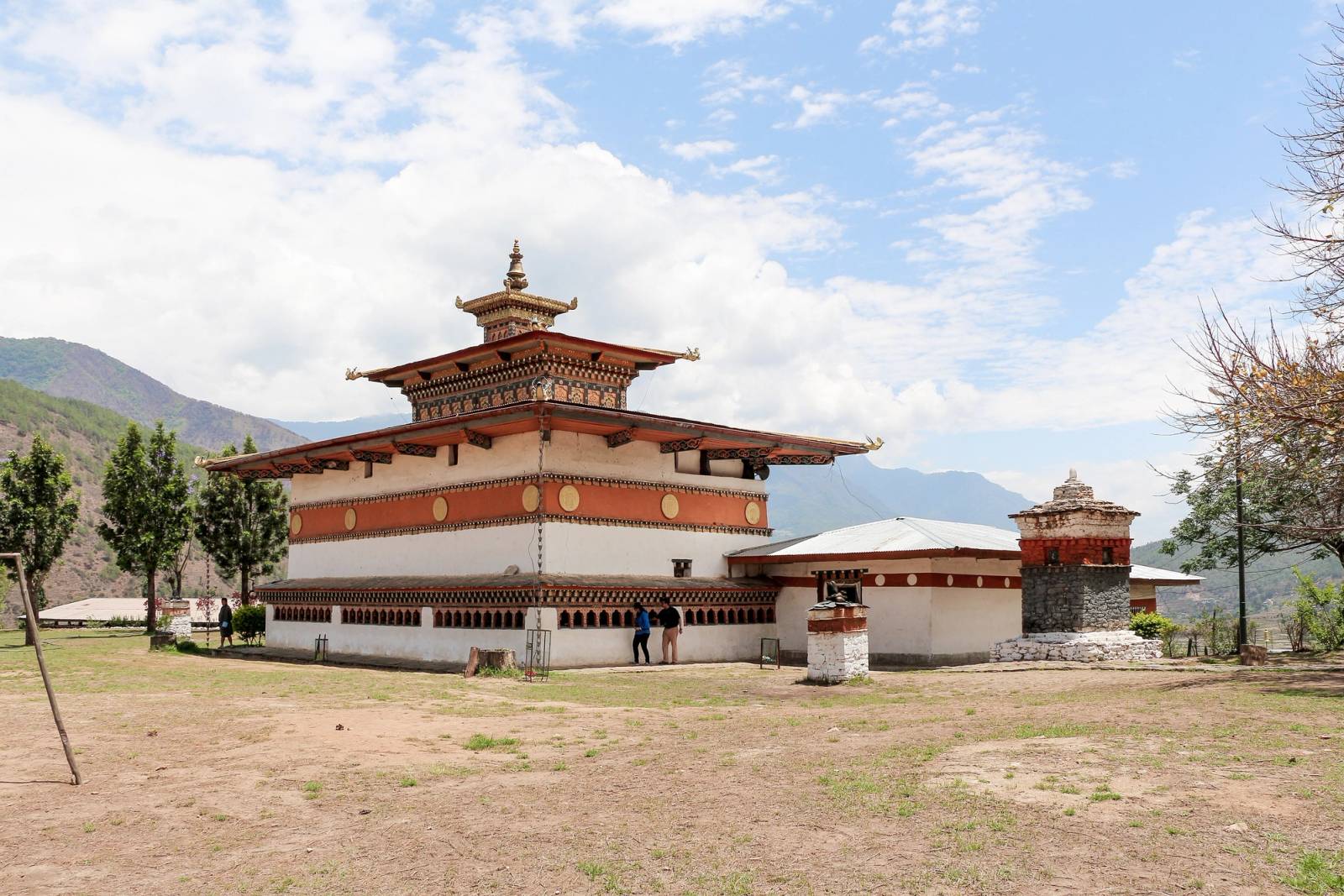
The lhakhang itself is modest: a square building with a yellow roof and a golden spire, a row of prayer wheels outside and carved slate panels set into the walls. In the prayer hall, look for:
- a statue of Drukpa Kunley with his dog, Sachi;
- images of Zhabdrung Ngawang Namgyal, the Buddha Shakyamuni and Chenrezig, the bodhisattva of compassion;
- outside, the chorten that marks the spot where the demoness was subdued.
The walk in from Sopsokha
The temple is not on the road. You leave the car at Sopsokha village and walk for about 20 minutes on a path through the rice fields, past the houses of Yowakha, with prayer flags along the way. It is mostly level, with a short climb up the hillock at the end. After rain the path can be muddy, and in the dry months it is dusty, so wear shoes you don’t mind getting dirty.
Visiting
- Dress: covered shoulders and knees, long sleeves, and no hats inside the temple. See our cultural etiquette guide.
- Photos: fine outside and in the courtyard; not inside the prayer hall.
- Time: about an hour to an hour and a half, including the walk both ways.
- Effort: easy. The walk is short and nearly flat.
- Children: welcome. The paintings are part of everyday village life here, and a quick word before you set off saves awkward questions later.
Getting there
Chimi Lhakhang is on the way into Punakha from Thimphu. The road drops from Dochu La to Sopsokha and then reaches Lobesa, where it splits for Punakha and for Wangdue Phodrang. The temple is about 10 km from Punakha town, a short drive back if you are already staying in the valley. Our getting around Bhutan guide explains how days on the road work with a guide and driver.
Tips from our guides
- Make it your first stop on the drive in from Thimphu, before you reach Punakha, so you don’t have to double back.
- The walk is at its prettiest when the rice is green or ready for harvest. In winter the fields are bare but the path is dry.
- Pair it with Punakha Dzong on the same afternoon; the two tell very different sides of Bhutanese Buddhism.
- Read a few of the Drukpa Kunley stories before you come. Your guide will know plenty, but they land better when you have heard one or two already.
- The Punakha district administration has a short page on Chimi Lhakhang (opens in a new tab) with the history and the walk from Sopsokha.
- For the wider valley, including the dzong and the suspension bridge, see our Punakha page.
Last reviewed 24 September 2026
Photo: Bernard Gagnon, CC BY-SA 4.0, via Wikimedia Commons (opens in a new tab)
More to see in Punakha
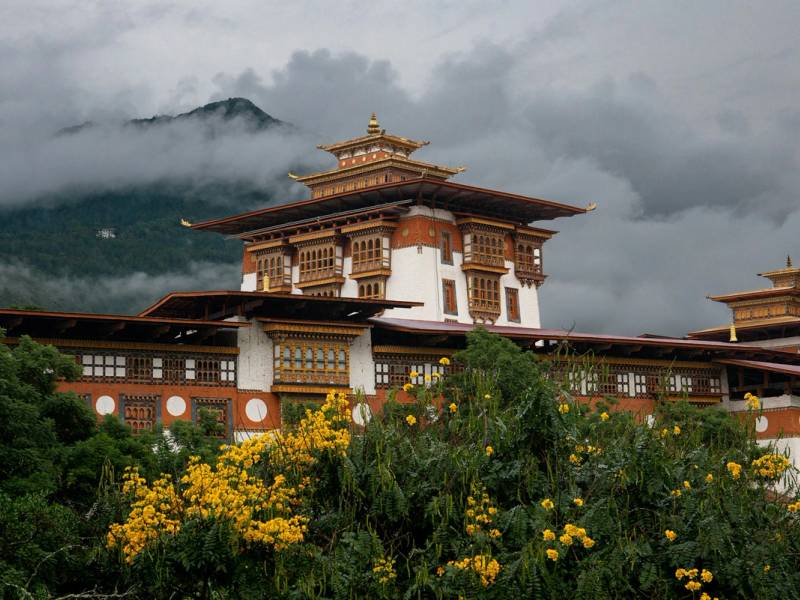
Punakha Dzong
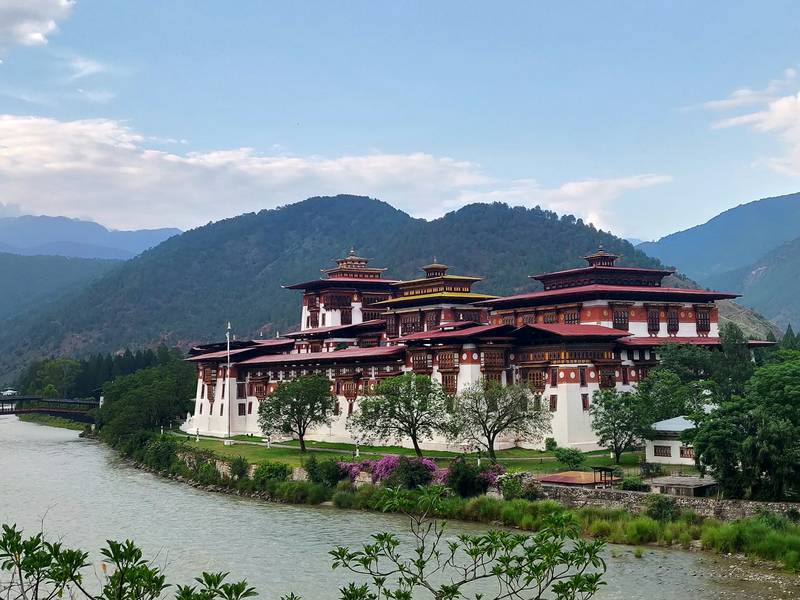
Built in 1637–38 where the Pho Chhu and Mo Chhu rivers meet, Punakha Dzong was the seat of Bhutan's government until 1955, and the first king was crowned here in 1907. It is still the winter home of the central monk body.
Dochu La
The pass at about 3,100 m on the road from Thimphu to Punakha, where 108 chortens honour the Bhutanese soldiers who died in 2003. On a clear winter morning the high Himalaya is on show, and most people stop here on the drive.
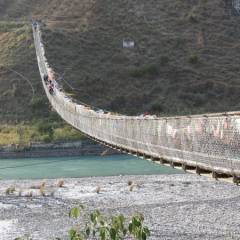
Punakha suspension bridge
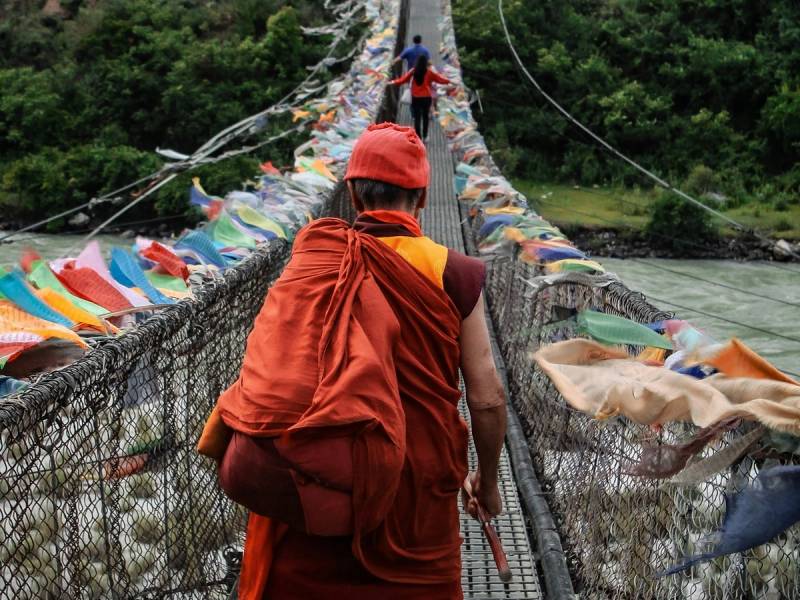
A long footbridge of steel cables and wooden planks across the Pho Chhu, a short walk from Punakha Dzong and one of the longest suspension bridges in Bhutan. It sways as you cross, it is hung with prayer flags, and it leads to the villages on the far bank.
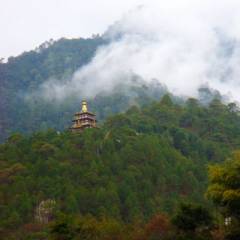
Khamsum Yulley Namgyal Chorten
A tiered chorten on a ridge above the Mo Chhu, built under Queen Mother Ashi Tshering Yangdon Wangchuck to ward off harmful forces and bring peace. It is about 30 minutes uphill from the footbridge at Yepaisa, through rice fields and pine, with wide views of the valley from the top.
Planning a trip that includes Chimi Lhakhang?
Tell us when you would like to travel. We reply within 24 hours with a free day-by-day plan and a price.

Karma ChodenOperations manager, Bhutan Tour Itinerary
Or call +975 17 81 70 52info@bhutantouritinerary.com
Mon–Sat, 9am–6pm Bhutan time (GMT+6)