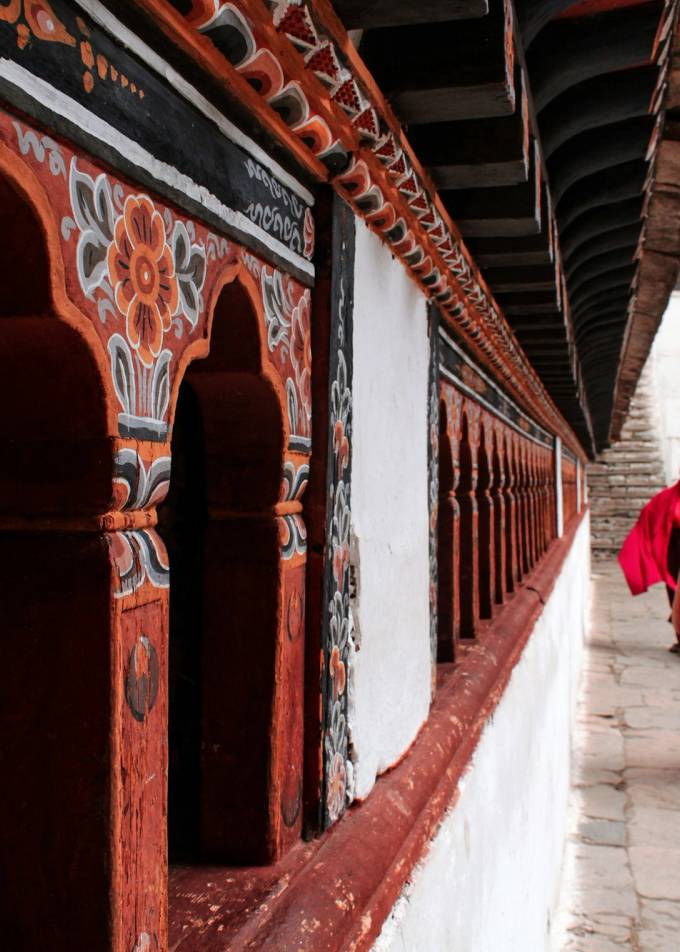
Cultural tours
Dzongs, temples and farmhouse lunches between Paro and Punakha, with a Bhutanese guide who explains the stories behind them.
No matches. Try a different word, or ask us directly.
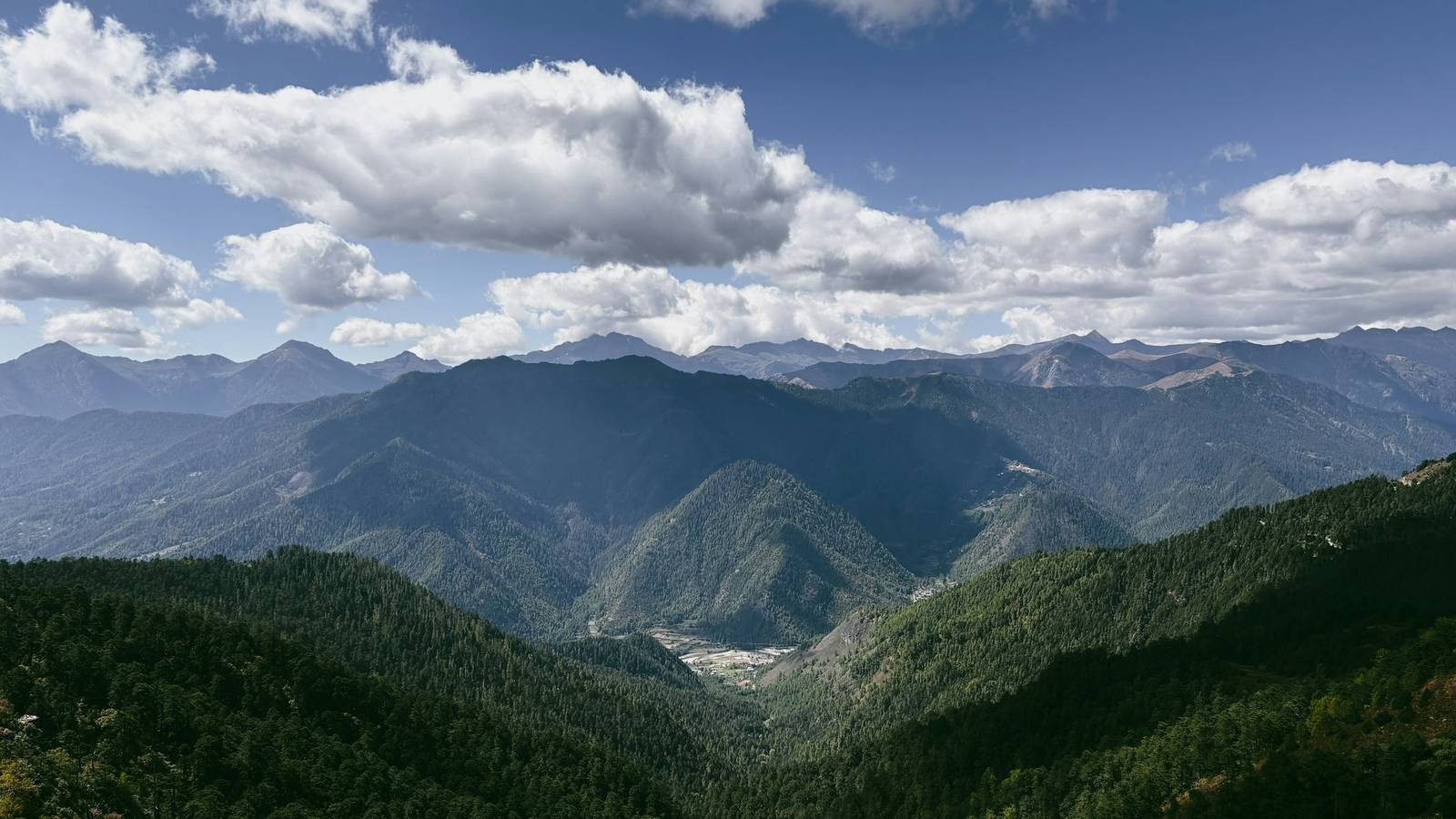
We run trips out of Thimphu, and the question that comes before any booking is simply what Bhutan is like. It is mountainous, Buddhist, quiet, and far more ordinary day to day than most people expect.
The country covers 38,394 km2 — close to Switzerland — with fewer than 800,000 people in it, one international airport and 20 districts. Ground rises from about 100 m in the southern foothills to 7,570 m at Gangkhar Puensum.
This page is about the country. The practical side lives in our travel guides, and the tours show what an actual itinerary looks like.
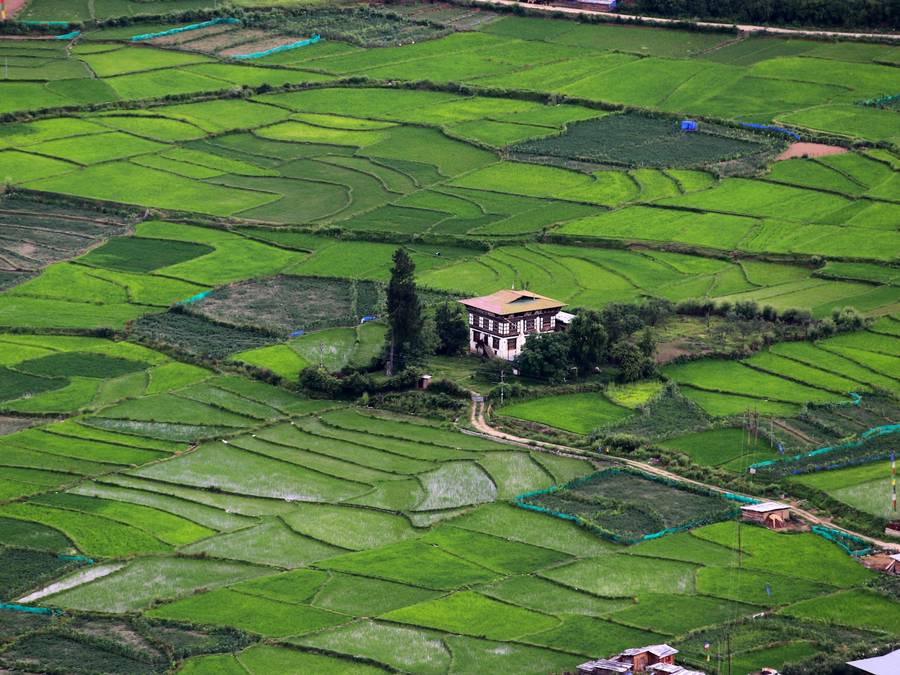
Most first trips run Paro to Thimphu to Punakha: the airport valley at about 2,235 m, the capital with no traffic lights, and the warm confluence of the Pho Chhu and Mo Chhu where Punakha Dzong has stood since 1637-38.
Go further and the country opens up — Haa and Phobjikha off the main road, Bumthang and Trongsa in the centre, Trashigang and Sakteng in the east, and Gelephu on the southern plains. Our cultural tours string them together.
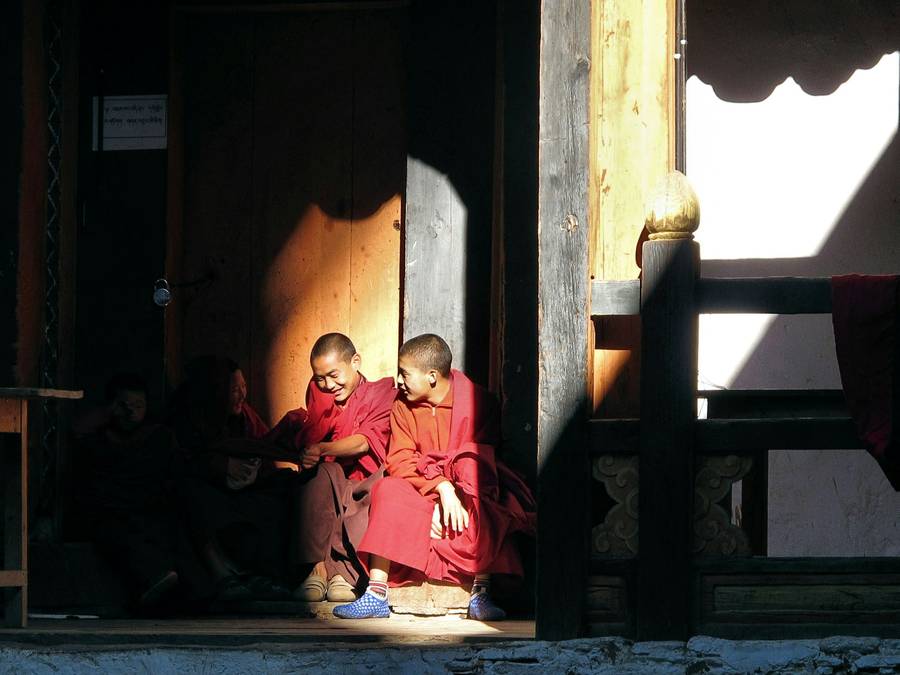
Every district has a dzong, and none of them is a museum: administration on one side, a monastic body on the other, which is why the dress code and photography rules hold inside. Bhutan has no inscribed UNESCO sites, whatever you have been told — eight properties have sat on the Tentative List since 2012.
Gho and kira are worn in dzongs, offices, schools and at formal occasions, not around the clock. Lunch is ema datshi, chillies cooked with local cheese, over red rice. Tshechu dates move with the lunar calendar, so our festival calendar keeps track.
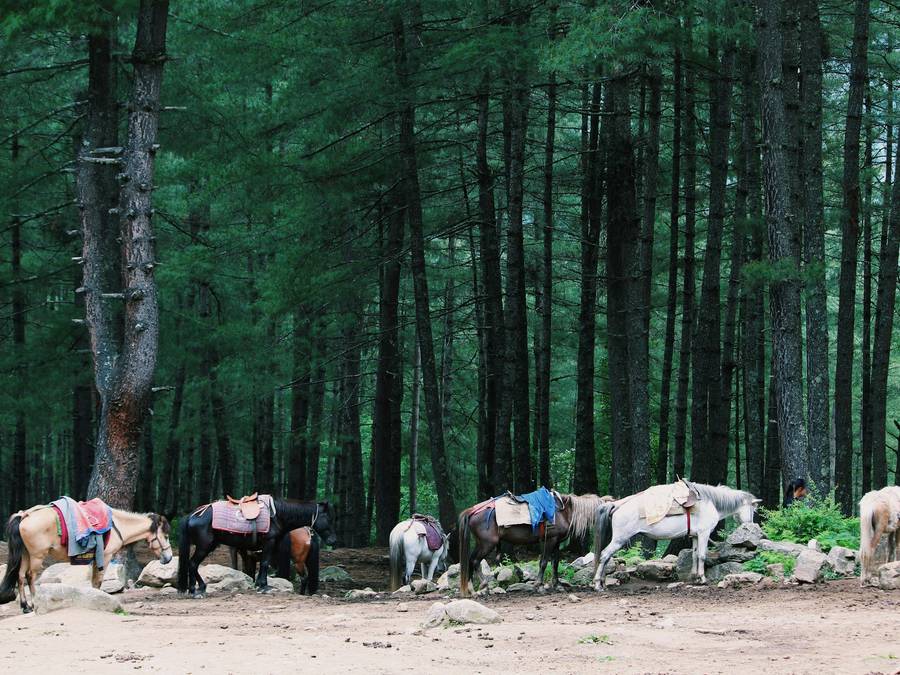
A 2022-23 national survey confirmed 134 snow leopards, up 39.5% since 2016, and 131 tigers whose range overlaps theirs. Several hundred black-necked cranes winter in Phobjikha from late October to mid-February, circling Gangtey Goenpa three times when they arrive.
Gangkhar Puensum, 7,570 m, is the highest unclimbed mountain on earth and staying that way: all mountaineering has been banned since 2003. Treks approach the base of the peaks only — see mountains and trekking.
Bhutan is a landlocked country on the eastern slope of the Himalaya, holding fewer people than many single city districts elsewhere in Asia. This page is about the place itself — the practical how-to lives in our travel guides.
Tibet (China) lies to the north. India wraps around the rest: Sikkim and West Bengal to the west, Assam to the south, Arunachal Pradesh to the east. Bhutan does not border Nepal, whatever the map in your head says — Sikkim sits in between.
The country covers 38,394 km2, about the size of Switzerland, split into 20 dzongkhags (districts). Land climbs from roughly 100 m in the southern foothills to 7,570 m at Gangkhar Puensum. You can drive from subtropical banana country to snow in a long day.
| At a glance | |
|---|---|
| Capital | Thimphu |
| Population | 727,145 at the 2017 census; projected around 797,000 in 2025 |
| Area | 38,394 km2, in 20 districts |
| Language | Dzongkha (national); English is the school medium |
| Currency | Ngultrum (BTN), pegged 1:1 to the Indian rupee |
| Religion | Vajrayana Buddhism ~74.7%; Hinduism ~22.6% |
| Time zone | Bhutan Time, UTC+6 — 30 minutes ahead of India |
| Highest peak | Gangkhar Puensum, 7,570 m |
| Main airport | Paro International, about 2,235 m |
Census and district figures: National Statistics Bureau (opens in a new tab).
The Wangchuck monarchy dates from 17 December 1907, when Ugyen Wangchuck became the first Druk Gyalpo. That date is still National Day.
Democracy is much newer. The first National Council election was held in December 2007, the first National Assembly election in March 2008, and the Constitution was adopted on 18 July 2008 — no revolution, the Fourth King pushed the change down from the throne. Jigme Khesar Namgyel Wangchuck, the fifth Druk Gyalpo, was crowned in November 2008; the fourth National Assembly election ran in January 2024. Bhutan was never colonised, and joined the United Nations in 1971.
GNH is not a slogan here, it is an index: four pillars, nine domains, 33 indicators, surveyed nationally by the Centre for Bhutan Studies. The 2022 round asked 11,052 people across 198 gewogs and 53 towns and put the index at 0.781, up from 0.743 in 2010; 48.1% counted as deeply or extensively happy. It is a domestic policy tool, not a global league table — Bhutan does not top the World Happiness Report and does not claim to.
The environmental half is written into Article 5 of the Constitution: at least 60% of the country must stay under forest, for all time. Actual cover is 69.71%, about 2.68 million hectares. In 2022 Bhutan emitted roughly 1.74 million tonnes of CO2e while its forests, croplands and grasslands absorbed about 11.45 million. That is carbon negative, not merely neutral, and it shapes how we plan trips — see responsible travel.
Tourism opened in 1974 and has run on a High Value, Low Volume policy ever since. There is no annual cap on visitor numbers and never has been. What controls the flow is price, plus the rule that a certified guide travels with every visitor.
The old USD 200-250 minimum daily package is gone. You now pay a Sustainable Development Fee of USD 100 per adult per night, held at that level until 31 August 2027, plus the real cost of your trip.
Children aged 6-11 pay half the SDF and under-6s nothing. Indian nationals pay INR 1,200 per person per night, and the first 15,000 guests from Bangladesh and the Maldives USD 15 or INR 1,200. A one-off USD 40 visa fee applies on top. The arithmetic is in our guides to the Sustainable Development Fee and the travel budget; the rules themselves sit with the Department of Tourism (opens in a new tab) and the Department of Immigration (opens in a new tab), and the paperwork is covered in entry requirements and visa and immigration.
Solo travel is allowed and common. Bhutan recorded 209,376 arrivals in 2025 from 157 countries, up 44.3% year on year.
Roads wind, and distances take longer than the map suggests — see getting around Bhutan.
Dzongs are not museums. Each still houses district administration on one side and a monastic body on the other, which is why dress and photography rules inside are enforced — see cultural etiquette.
Bhutan has no inscribed UNESCO World Heritage Sites at all. Eight properties have sat on the Tentative List (opens in a new tab) since 2012, including Drukgyel Dzong and a serial nomination of five more. If an operator calls a dzong “UNESCO listed”, it isn’t.
Tshechu dates follow the lunar calendar and move every year: Thimphu Tshechu falls in late September 2026, Paro Tshechu in the second half of March 2027. Confirm against the official calendar before booking, or ask us. Our festival tours follow the dates, and the festival calendar tracks them.
Gho for men, kira for women, with kabney or rachu scarves. Required in dzongs, offices, schools and at formal occasions under driglam namzha — not worn around the clock. Dzongkha is the national language, English is the medium of instruction in schools, and around 19-20 languages are spoken, including Tshangla in the east and Lhotshamkha in the south.
Eat ema datshi, chillies stewed with local cheese, usually with red rice. Suja (butter tea) and doma (areca nut with betel leaf) are everyday. Archery is the national sport, shot between targets about 145 m apart, with teammates singing and dancing to put the other archer off.
Television and the internet were legalised only in 1999 — Bhutan was the last country in the world to allow TV. Plastic shopping bags were first banned that same year, and the ban re-enforced in 2005, 2009 and from April 2019. Tobacco sale through licensed outlets became legal on 2 July 2021, but smoking in public places is still prohibited.
The takin, the national animal, is tied to a legend about the 15th-century saint Drukpa Kunley; a herd lives at the Motithang Takin Preserve in Thimphu.
The 2022-23 national survey confirmed 134 snow leopards, up 39.5% since 2016, from 310 camera stations across more than 9,000 km2 of alpine habitat. Tigers came in at 131, up 27% since 2014-15, their range overlapping the snow leopard’s.
Several hundred black-necked cranes cross the Himalaya from the Tibetan plateau to winter in Phobjikha from late October to mid-February, circling Gangtey Goenpa three times on arrival. The Black-Necked Crane Festival is held in the monastery courtyard every 11 November.
Gangkhar Puensum, 7,570 m, is the highest unclimbed mountain in the world and will stay that way: climbing above 6,000 m was banned in 1994 and all mountaineering in 2003. Treks approach the base of the peaks only — see mountains and trekking and our trekking tours.
Spring (March-May) and autumn (late September-November) are the clearest and the busiest. The monsoon runs June-August in the south and central valleys. Winter brings cold nights at altitude but sharp Himalayan views, cheaper rooms and the cranes.
Our guides to the best time to visit and weather by region go month by month; what to pack follows from the season.
Pick a cultural tour, a trek or a festival trip from our tours, or tell us your dates and we will build the itinerary around them. Get in touch — we answer every enquiry within 24 hours.
Festivals, high-pass treks, family holidays or a slow luxury stay. Start with the kind of trip you have in mind.
Dzongs, temples and farmhouse lunches between Paro and Punakha, with a Bhutanese guide who explains the stories behind them.
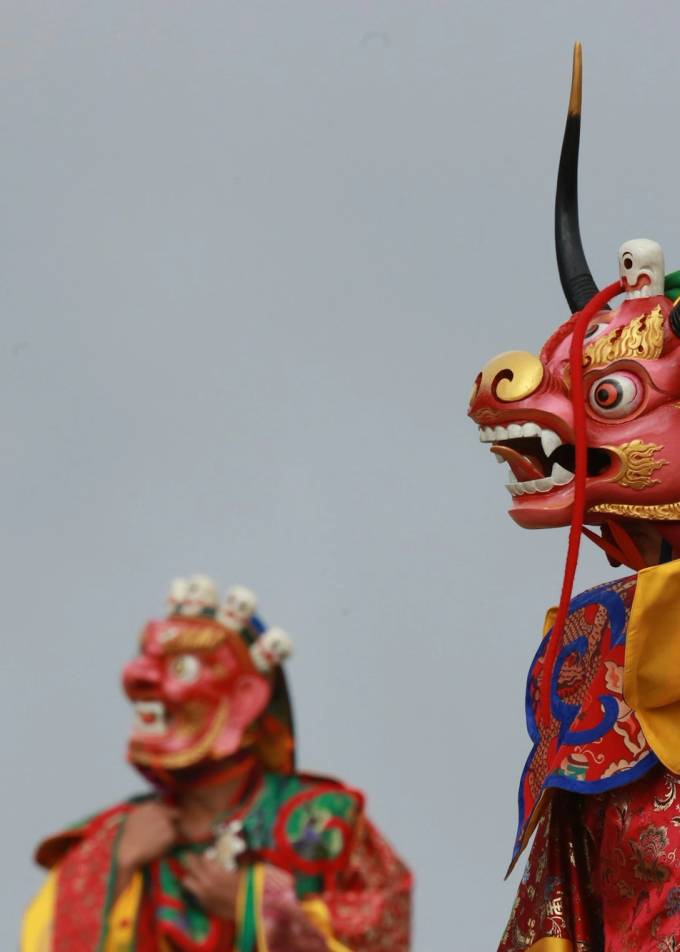
Plan your trip around a tshechu: masked cham dances, a giant thongdrel unrolled at dawn and courtyards full of local families.
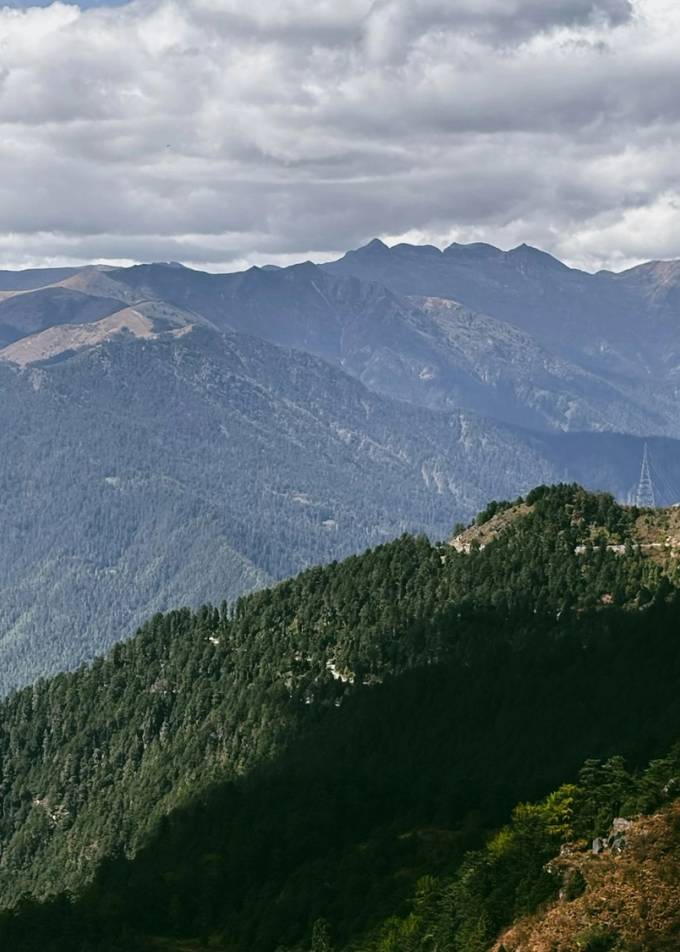
Guided treks over high passes and past glacial lakes, from the six-day Druk Path to the Jomolhari route under 7,000 m peaks.
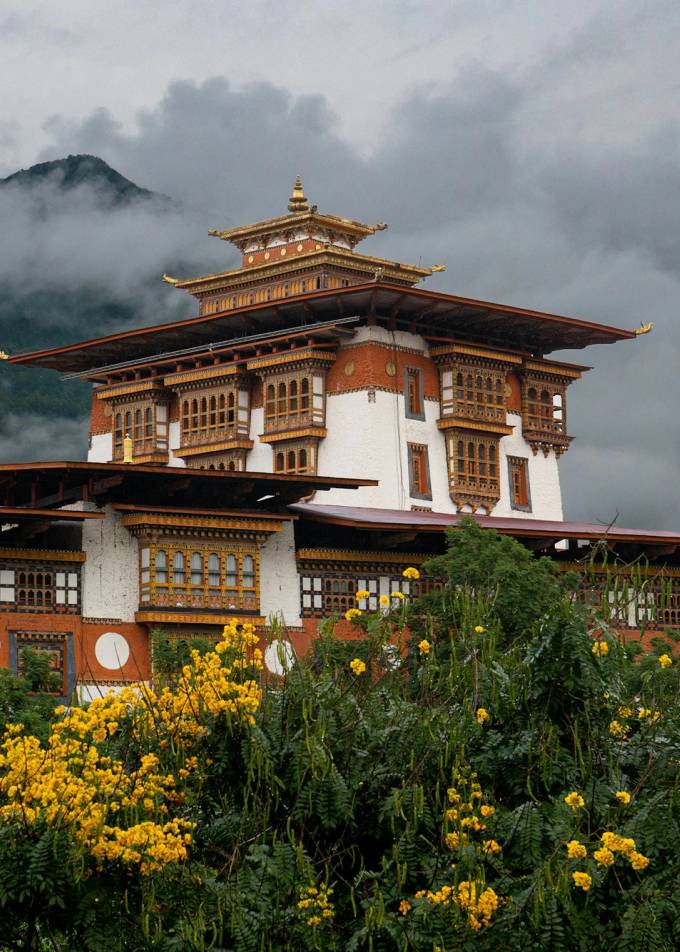
Five-star lodges in Paro, Punakha and Thimphu, a private guide and driver, and days paced around you rather than a timetable.
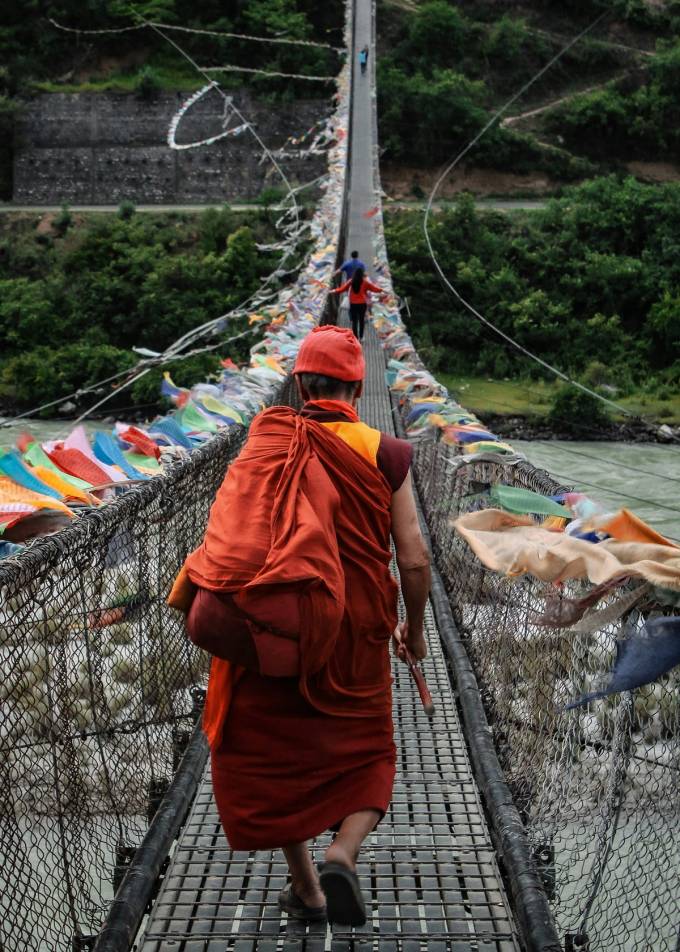
Short drives, easy hikes, archery lessons and farmhouse stays, planned so children and grandparents enjoy Bhutan equally.
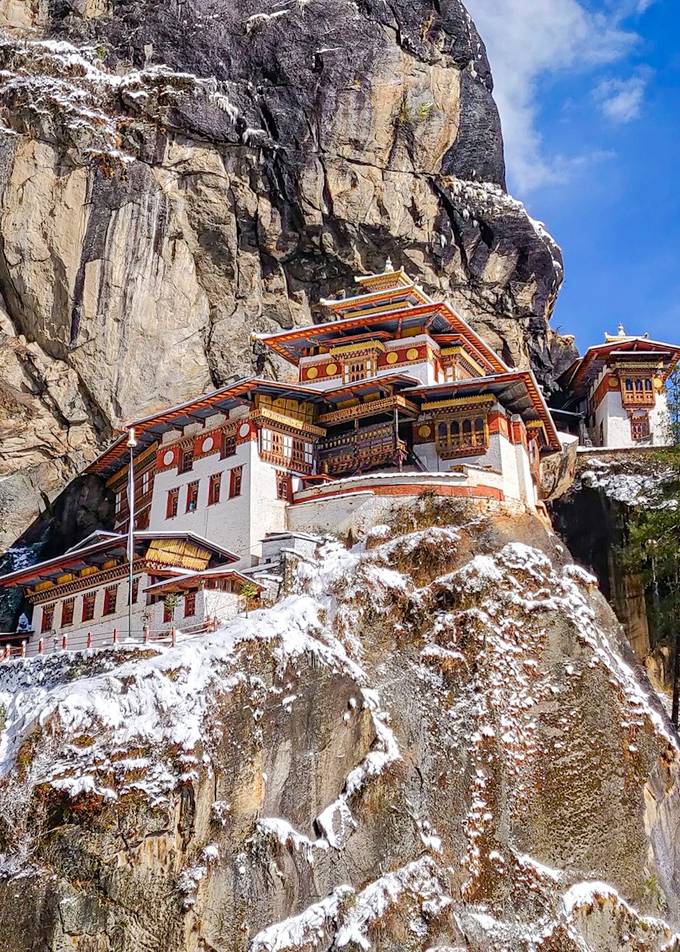
Bumthang, Trongsa and the quieter east: long drives over high passes to valleys where few visitors ever make it.
Send us your dates and what you want out of the trip. We reply to every enquiry within 24 hours, Bhutan time.

Karma ChodenOperations manager, Bhutan Tour Itinerary
Or call +975 17 81 70 52info@bhutantouritinerary.com
Mon–Sat, 9am–6pm Bhutan time (GMT+6)