Phobjikha and Gangtey
- Region
- Central Bhutan
- Altitude
- 3,000 m
- Best time
- Late October–February for the cranes; spring and autumn for walking
- Getting there
- About 3 hours by road from Punakha, over Lawa La
A glacial valley that belongs to the cranes in winter
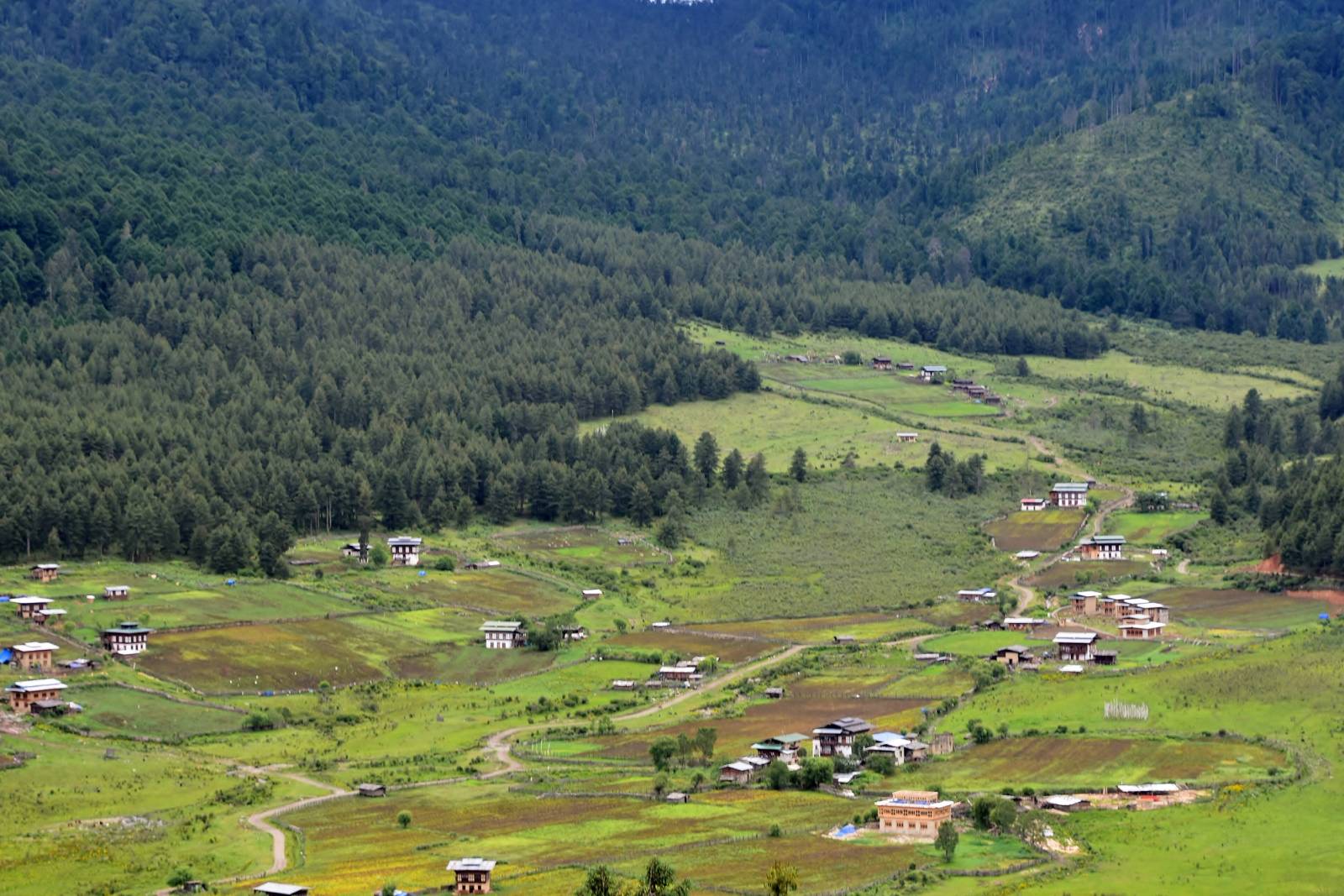
Phobjikha is a wide, U-shaped glacial valley at about 3,000 m in Wangdue Phodrang district, below the Black Mountains. After the dzongs and traffic of the west, it feels like open country: conifer forest on the slopes, a stream winding through a marshy floor, and farmhouses along the edges where the ground is dry enough to plough. Potatoes are the main crop.
The two names cause some confusion. Phobjikha is the valley. Gangtey is the village on the forested spur above it, gathered around the monastery of the same name. The area covers two gewogs, Phobji and Gangteng, and hotels and road signs use both names for the same trip.
Why people come: the black-necked cranes
Most people come for the black-necked cranes. They breed on the Tibetan plateau and fly south over the Himalaya for the winter, reaching Phobjikha in late October and early November. They start leaving from around mid-February, and by March most have gone. Phobjikha takes the largest share of the cranes that winter in Bhutan, and the Royal Society for the Protection of Nature (RSPN) counts them every season. RSPN’s black-necked crane page (opens in a new tab) has the latest numbers and the story of how the valley was protected.
The cranes have shaped the valley as much as the farmers have. The wetland is a conservation area, and since 2014 part of it has been listed as a Ramsar wetland of international importance. Power lines in the valley run underground so the birds do not fly into overhead cables. The cranes feed on dwarf bamboo, seeds and insects in the marsh and the ploughed fields, and they are wary of people, so watch from the paths and the viewing points rather than walking out towards them.
Come outside the crane season and the valley is still worth the drive. It is quiet, it is good walking country, and the goenpa on the ridge is one of the most important monasteries in central Bhutan.
What to see in Phobjikha
- Gangtey Goenpa – the monastery on the spur above the valley, founded in 1613 by a grandson of Pema Lingpa and rebuilt with great care between 2002 and 2008. Its courtyard hosts the Black-necked Crane Festival.
- Black-necked Crane Education Centre – RSPN’s centre on the edge of the wetland, with films, displays and spotting scopes trained on the feeding grounds. Go here first in winter to learn what you are looking at.
- Gangtey Nature Trail – a gentle walk of about one and a half to two hours from just below the goenpa, down through Semchubara village and conifer forest to the valley floor near Khewang Lhakhang.
Phobjikha is also a good place to sleep in a farmhouse rather than a hotel. Our homestays and farmhouses guide explains what to expect.
Cranes, the festival and the seasons
- Late October to February is crane season. Days are often clear and bright, but nights drop below freezing and the valley can get snow. Pack warm layers and a hat; our packing checklist covers winter.
- 11 November is the Black-necked Crane Festival, held in the courtyard of Gangtey Goenpa. It began in 1998 and moved to the goenpa in 2005. Schoolchildren in crane costumes perform a crane dance, and there are folk songs and mask dances by local people and monks. RSPN’s history of the festival (opens in a new tab) tells the story; see our festival calendar for other dates.
- Spring and autumn are best for walking, with milder days.
- Summer is green and wet, with the monsoon bringing cloud and rain.
For the bigger picture, read the best time to visit Bhutan and Bhutan’s weather by region.
How Phobjikha fits into a trip
Phobjikha is about 3 hours by road from Punakha. The road runs past Wangdue Phodrang, leaves the main highway before Pele La and crosses Lawa La into the valley. From Thimphu it is about 5 to 6 hours, over Dochu La. Give it at least one night, and two if you want to walk as well as see the goenpa and the cranes.
The valley works in two ways. On a western loop it is the far point: our Bhutan Cultural Extravaganza spends a night here after Punakha before turning back to Paro. On a longer trip it is the first stop on the way east. The Bumthang Heartland Journey goes on from here to Trongsa, about 4 to 5 hours further over Pele La, and then to Bumthang.
Photo: Prof. Mortel, CC BY 2.0, via Wikimedia Commons (opens in a new tab)
Things to see in Phobjikha and Gangtey
Gangtey Monastery
The seat of the Pema Lingpa tradition, founded in 1613 by Pema Lingpa's grandson on a spur above the Phobjikha valley and carefully rebuilt between 2002 and 2008. Its courtyard hosts the Black-necked Crane Festival every 11 November.
Black-necked Crane Education Centre
RSPN's centre on the edge of the Phobjikha wetland, once called the Black-necked Crane Visitor Centre. Films and displays explain the cranes and how the valley protects them, and spotting scopes on the observation deck let you watch the birds feed without disturbing them.
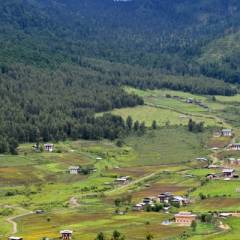
Gangtey Nature Trail
A gentle walk of about one and a half to two hours from just below Gangtey Goenpa, down through Semchubara village and conifer forest to the open valley floor near Khewang Lhakhang. In winter it looks out over the cranes' feeding grounds.
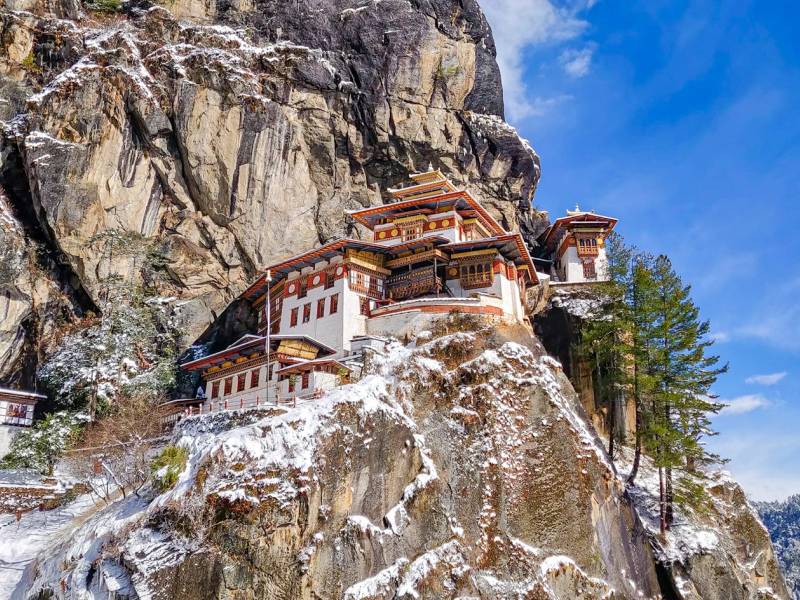
Places near Phobjikha and Gangtey
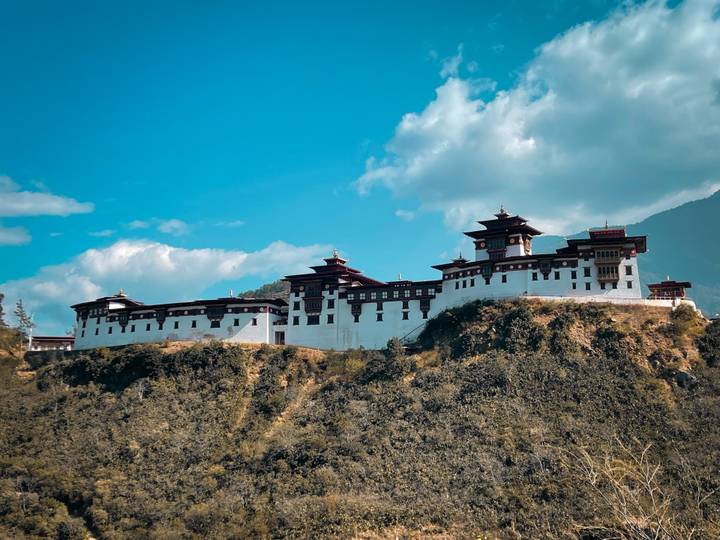
Wangdue Phodrang
A 1638 dzong rebuilt after the 2012 fire, above the meeting of two rivers, and the stonemasons' village of Rinchengang across the water.
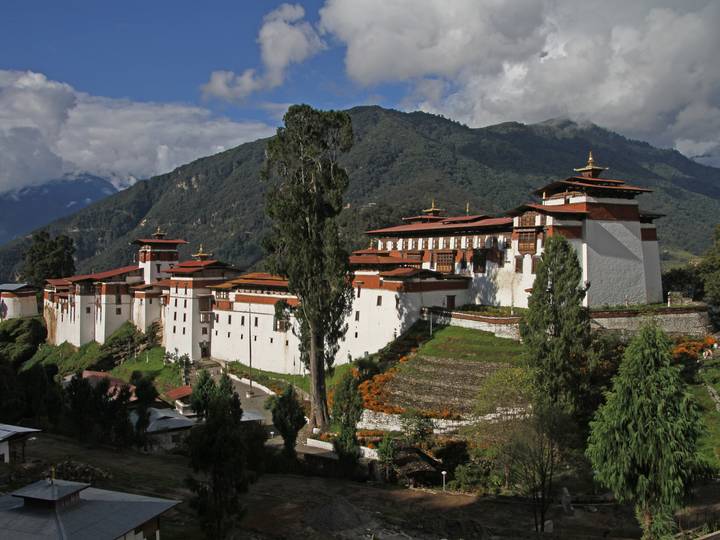
Trongsa
The town that held the middle of the country: a great dzong above the Mangde Chhu and the watchtower museum of the Wangchuck kings.
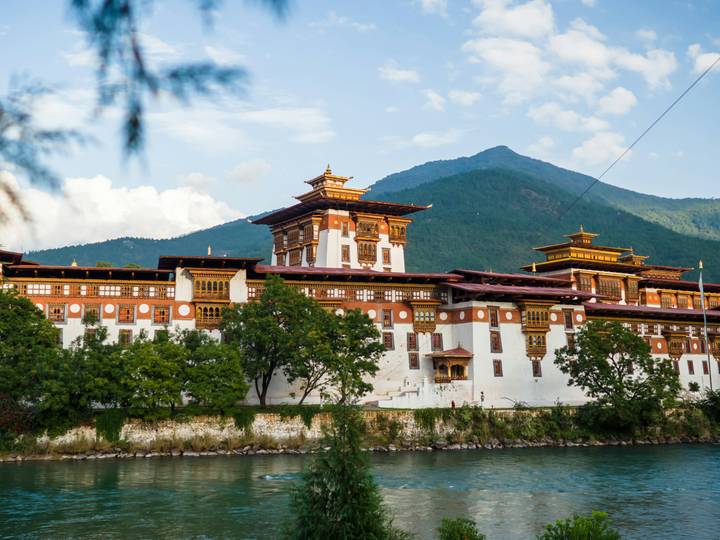
Punakha
The former capital, warmer and lower than Paro or Thimphu, built around a dzong at the meeting of two rivers.
Planning a trip that includes Phobjikha and Gangtey?
Tell us when you would like to travel. We reply within 24 hours with a free day-by-day plan and a price.

Karma ChodenOperations manager, Bhutan Tour Itinerary
Or call +975 17 81 70 52info@bhutantouritinerary.com
Mon–Sat, 9am–6pm Bhutan time (GMT+6)