Trongsa
- Region
- Central Bhutan
- Altitude
- 2,200 m
- Best time
- March–May and September–November; December or January for the tshechu
- Getting there
- About 4–5 hours by road from Phobjikha over Pele La
The town in the middle of the country
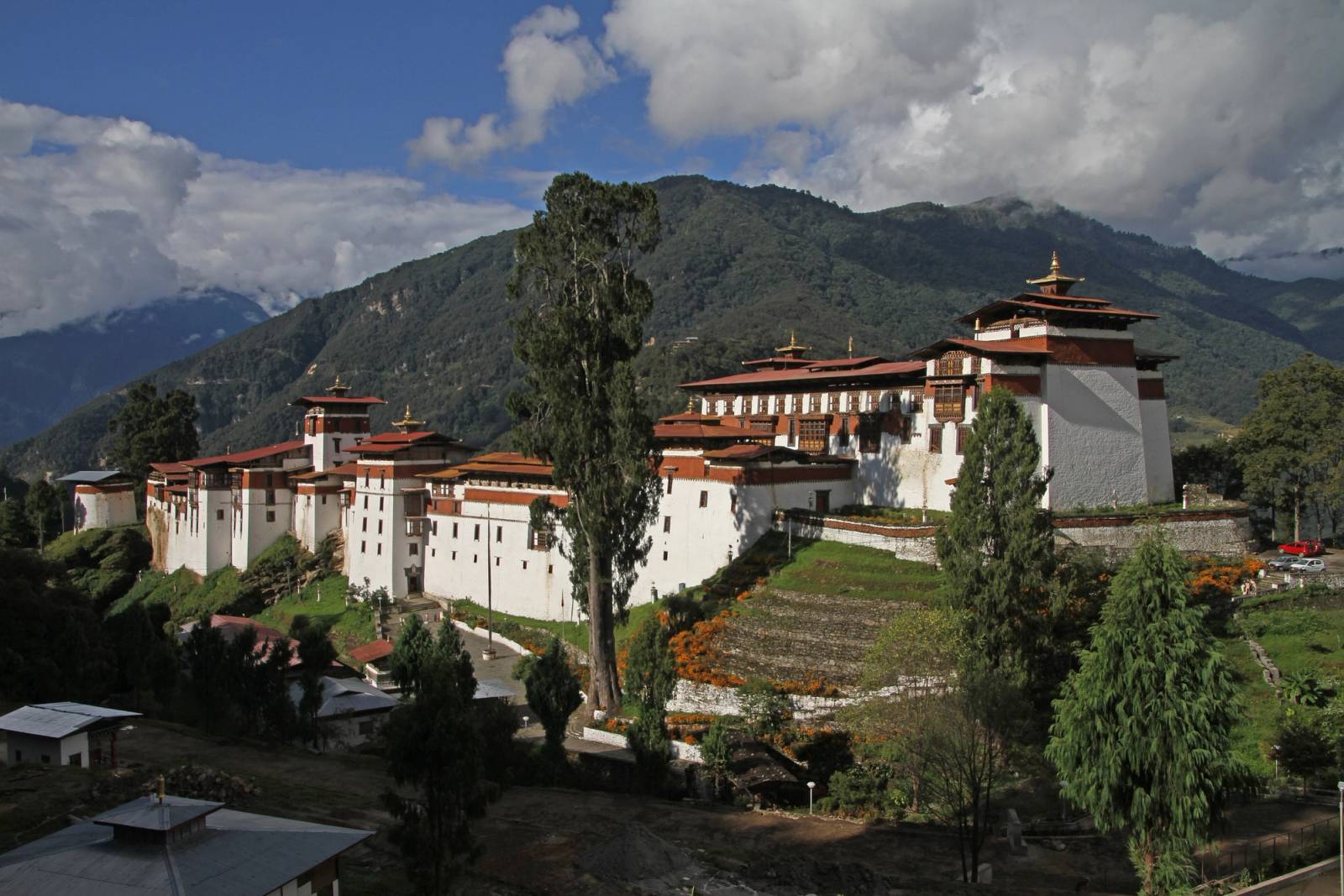
Trongsa sits at about 2,200 m on a ridge above the gorge of the Mangde Chhu, roughly halfway along Bhutan’s east–west highway. You see the dzong long before you reach the town: a long white building stepping down a spur, with the river far below. For centuries the only road between western and eastern Bhutan ran through here, and through the dzong itself, so whoever held Trongsa could close its doors and cut the country in two.
The town is small and strung along the hillside, with the dzong on its spur and the old watchtower on a promontory above. Most visitors stop for half a day; staying the night lets you see the dzong in evening light and the town without the traffic.
Where the Wangchucks rose to power
That position made the governor of Trongsa, the Trongsa Penlop, the most powerful figure in central and eastern Bhutan. The first penlop, Chogyal Minjur Tempa, was appointed by Zhabdrung Ngawang Namgyal in the 1640s. Two centuries later the post passed to Jigme Namgyel, penlop from 1853 to 1870. His son Ugyen Wangchuck, penlop from 1882, consolidated power across the country, and in 1907 he became the first king of Bhutan.
The title lives on. The heir to the throne traditionally serves as Trongsa Penlop before becoming king: the present king was installed as Trongsa Penlop in 2004 and came to the throne in 2006.
What to see in Trongsa
- Trongsa Dzong (Chökhor Rabtentse Dzong). A temple first stood here in 1543, built by the Drukpa lama Ngagi Wangchuk, great-grandfather of the Zhabdrung. The dzong grew around it from the 1640s, and later penlops kept adding to it until it held some two dozen temples on many levels. It is still the district’s administrative seat and home to a monk body, and it is on Bhutan’s tentative list for UNESCO World Heritage with four other dzongs. The Trongsa district’s page on the dzong (opens in a new tab) gives the official account.
- Ta Dzong and the Royal Heritage Museum. The round watchtower above the dzong was built in 1652 by Chogyal Minjur Tempa to guard it. Restored with Austrian support, it opened in 2008 as the Royal Heritage Museum (opens in a new tab), with eleven galleries, including two temples, on the history of the monarchy and Buddhism in Bhutan. See it before the dzong and the dzong makes more sense.
- Chendebji Chorten. A white stupa in the Nepali style, with eyes painted on each side, beside the highway west of Trongsa. It was built in the 18th century by Lama Shida from Tibet to subdue a harmful spirit, and it makes a natural stop on the drive in from Pele La.
- Kuenga Rabten. The second king built this palace in 1929 as a winter residence. Monks from the dzong’s monastic body now live there; ask your guide if you would like to add it.
Seasons and the Trongsa Tshechu
- March to May and September to November are the easiest months to travel, with the clearest roads and passes.
- The Trongsa Tshechu is held in the dzong in December or January, following the lunar calendar. It is a good reason to travel in winter; check our festival calendar for the year’s dates.
- Winter is cold but often clear, and the passes on either side can see snow.
- The monsoon, June to August, brings cloud and the chance of road delays.
For more, see the best time to visit Bhutan and Bhutan’s weather by region.
How Trongsa fits into a trip
Trongsa is the hinge between west and centre. Coming from the west, the usual route is from Phobjikha, about 4 to 5 hours by road over Pele La, passing Chendebji Chorten on the way down. From Trongsa it is about 2.5 to 3 hours on over Yotong La to Bumthang, where the temples of Jakar and Kurjey Lhakhang take over the story.
Our Bumthang Heartland Journey follows this route and stops at Trongsa Dzong. Heading back west, the highway runs through Wangdue Phodrang to Punakha. Our guide to getting around Bhutan explains what these long mountain drives are like.
Photo: Gerd Eichmann, CC BY-SA 4.0, via Wikimedia Commons (opens in a new tab)
Things to see in Trongsa
Trongsa Dzong
Chökhor Rabtentse Dzong steps down a spur above the Mangde Chhu gorge. It grew from a temple built in 1543 into the seat of the Trongsa Penlops, from where the Wangchuck dynasty rose to power. It is still the district's seat and home to monks.
Ta Dzong (Royal Heritage Museum)
The round watchtower above Trongsa Dzong, built in 1652 by Chogyal Minjur Tempa, the first Trongsa Penlop. Restored with Austrian support, it opened in 2008 as the Royal Heritage Museum, with eleven galleries on Bhutan's kings and its Buddhist history.
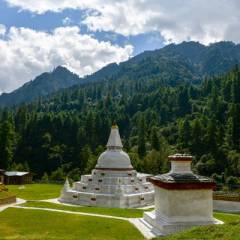
Chendebji Chorten
A white stupa in the Nepali style beside the highway west of Trongsa, with the Buddha's eyes painted on all four sides. Lama Shida from Tibet built it in the 18th century to subdue a harmful spirit, and it makes a natural stop on the drive from Pele La.
Places near Trongsa
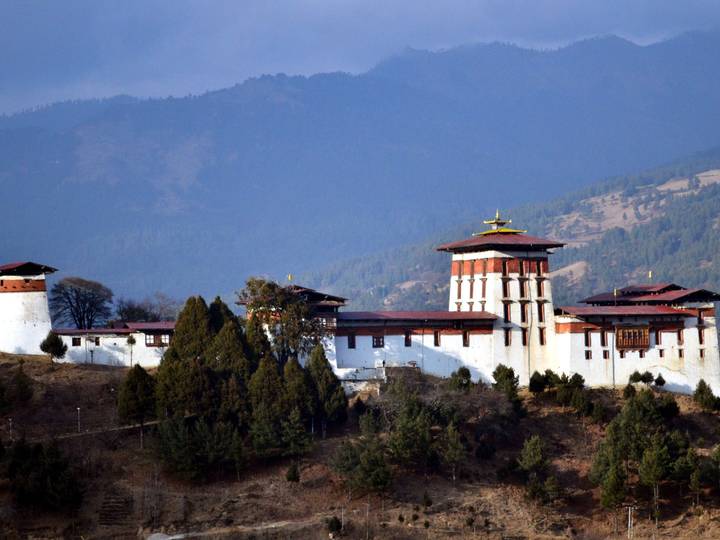
Bumthang
Four high valleys in central Bhutan, home to some of the country's oldest temples, Pema Lingpa's birthplace and the Burning Lake.
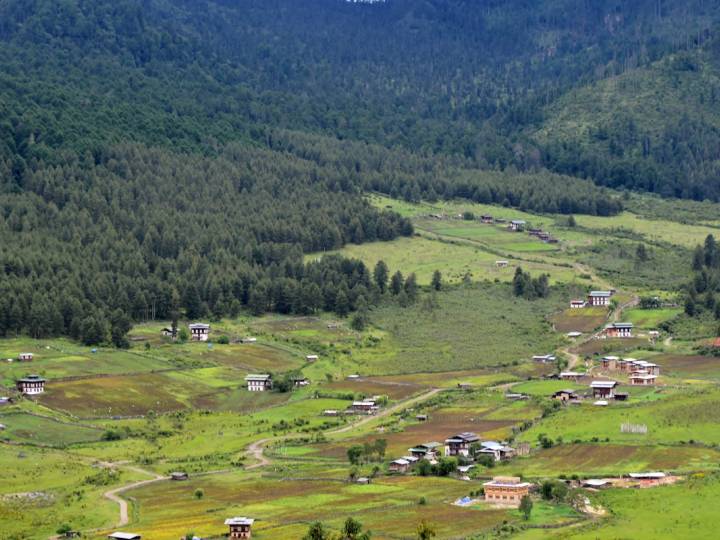
Phobjikha and Gangtey
A wide glacial valley at about 3,000 m where black-necked cranes spend the winter, below the old monastery of Gangtey.
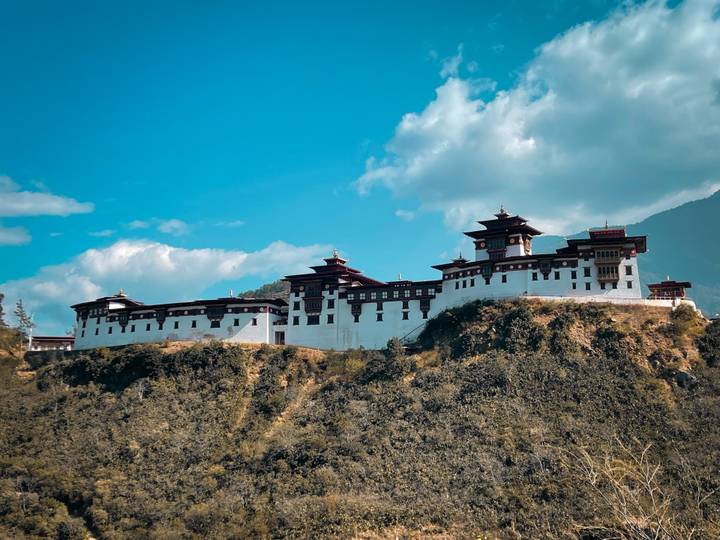
Wangdue Phodrang
A 1638 dzong rebuilt after the 2012 fire, above the meeting of two rivers, and the stonemasons' village of Rinchengang across the water.
Planning a trip that includes Trongsa?
Tell us when you would like to travel. We reply within 24 hours with a free day-by-day plan and a price.

Karma ChodenOperations manager, Bhutan Tour Itinerary
Or call +975 17 81 70 52info@bhutantouritinerary.com
Mon–Sat, 9am–6pm Bhutan time (GMT+6)