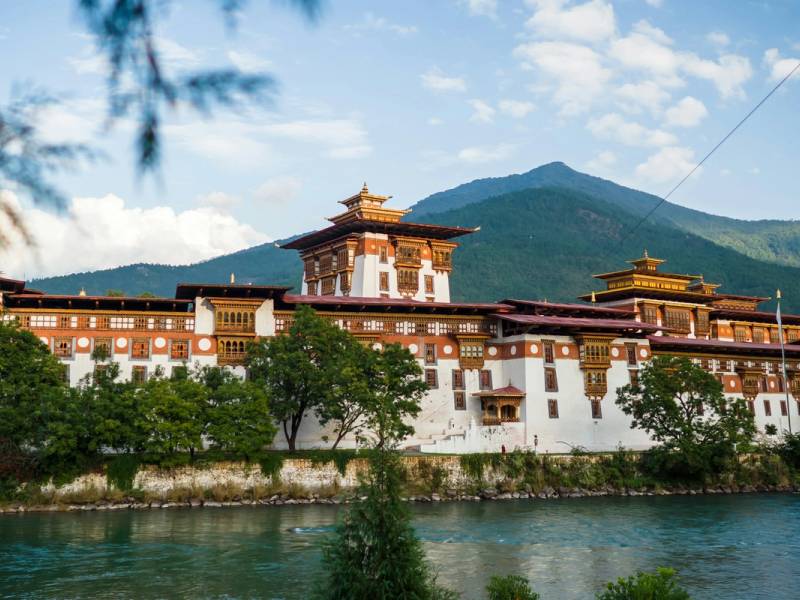
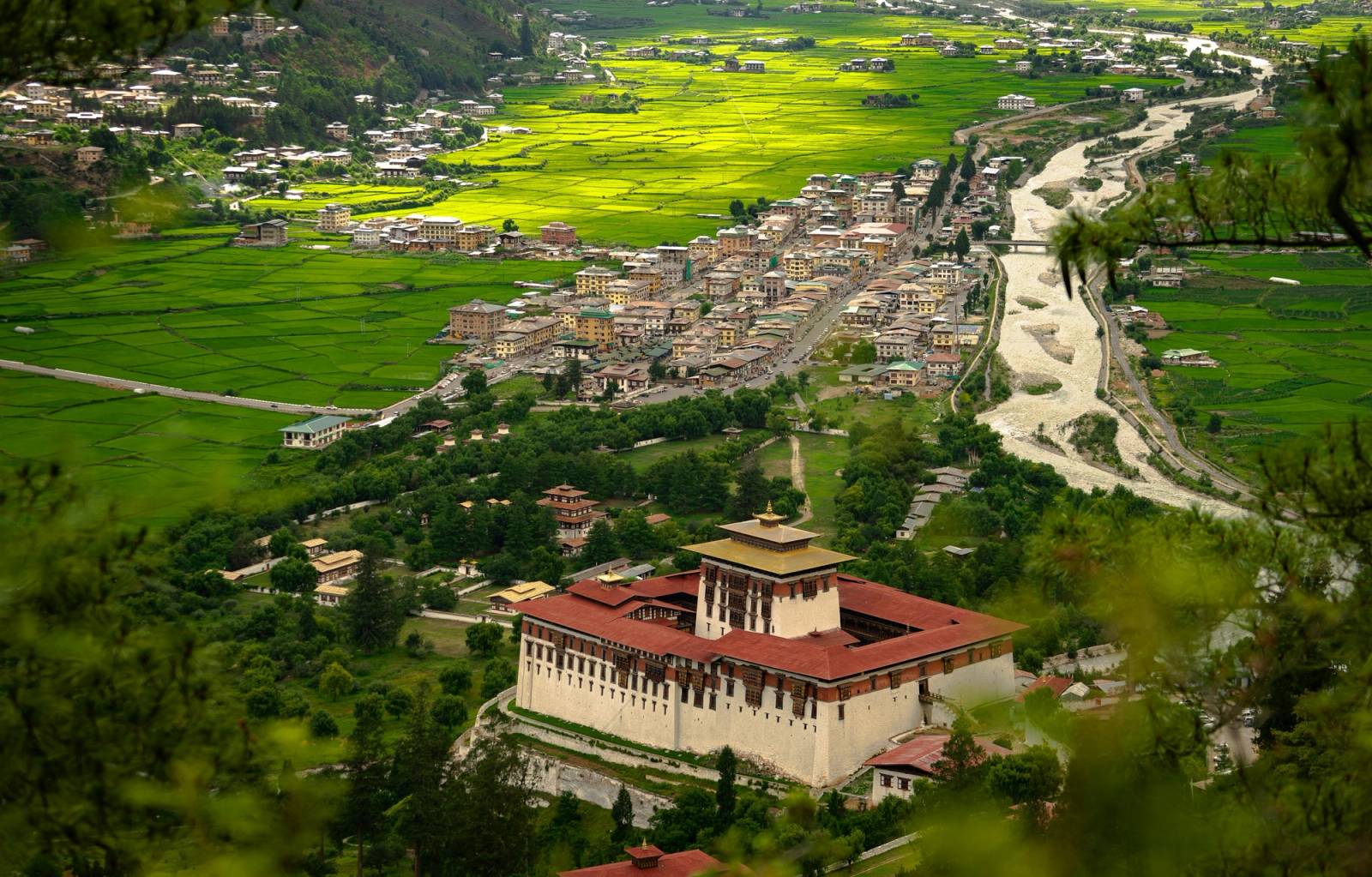
Paro Dzong (Rinpung Dzong)
- Time needed
- 1–1.5 hours; half a day with the National Museum
- Best time
- Late afternoon light; the Paro Tshechu, usually March or April
Highlights
- Reached on foot over a covered wooden bridge
- Home to around 300 monks and district offices
- Thongdrel unrolled before dawn at the tshechu
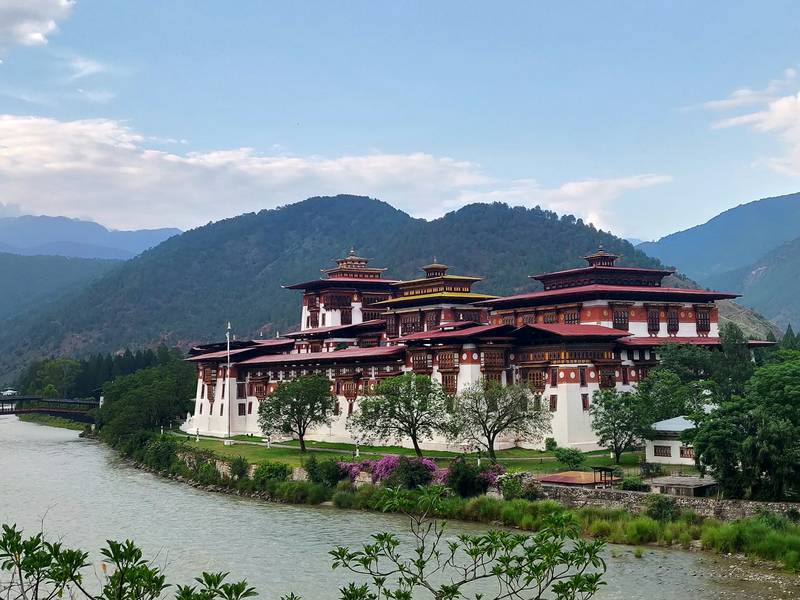
Paro Dzong is the fortress-monastery that anchors the Paro valley. Its proper name is Rinpung Dzong, short for Rinchen Pung, the fortress on a heap of precious stones. It stands on a spur above the Paro Chhu, looking across the river at the town, with the round watchtower of Ta Dzong on the hill behind. Like most dzongs in Bhutan it does two jobs at once. One half holds the offices of the Paro Dzongkhag administration and the local court; the other is home to the Rinpung Rabdey, the district monk body of around 300 monks headed by the Lam Neten. You are walking through a working building, not a museum.
From Hungrel Dzong to Rinpung Dzong
The rock was a religious site long before the dzong. In the 15th century Lama Drung Drung Gyal, a descendant of Phajo Drugom Zhigpo, built a small temple here and then a five-storey fortress called Hungrel Dzong. The name lives on in Hungrel, one of Paro’s ten gewogs.
In 1644 Zhabdrung Ngawang Namgyal, who unified Bhutan, took the old building down and laid the foundations of a much larger one. The new fortress was consecrated in 1646 and became the administrative and religious centre of western Bhutan. Three years later, in 1649, the watchtower above was built to guard it. That tower has housed the National Museum since 1968.
The dzong came through the great earthquake of 1897, but a fire in the early 1900s destroyed most of its statues and relics. One treasure survived: the huge thongdrel of Guru Rinpoche still shown at the festival each spring. The dzong was rebuilt to its old design under the Paro governor, Penlop Dawa Penjor. Film buffs may recognise it from Bernardo Bertolucci’s Little Buddha (1993), which shot several scenes here. Today it is on Bhutan’s tentative list for UNESCO World Heritage status.
Walking through the dzong
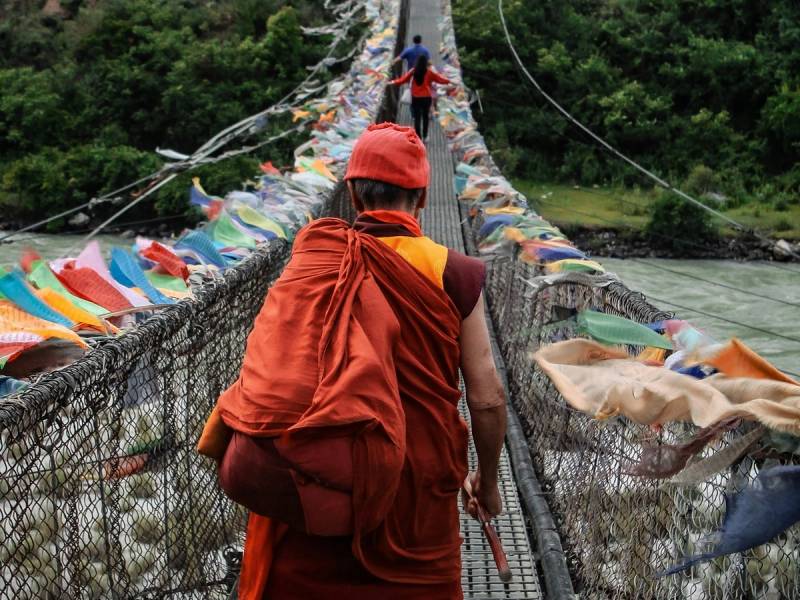
- The bridge. The traditional way in is on foot across Nyamai Zam, a covered wooden cantilever bridge over the Paro Chhu, then up a paved path to the gate.
- The administrative courtyard. The first courtyard is ringed by government offices. Look up at the woodwork: the large windows are framed in carved and painted timber.
- The utse. The central tower divides the two halves of the dzong. It rises five storeys and holds some of the most important chapels.
- The monastic courtyard. Beyond the utse is the monks’ side, with the assembly hall (dukhang) and the kuenrey, where young monks study the scriptures.
The galleries around both courtyards are painted with Buddhist cosmology and protective deities, and there are fourteen shrines and chapels in all, among them a temple to the Eight Manifestations of Guru Rinpoche and a chapel of the Eleven-faced Avalokiteshvara. Which chapels you can enter depends on what the monks are doing that day. Your guide will know.
The Paro Tshechu
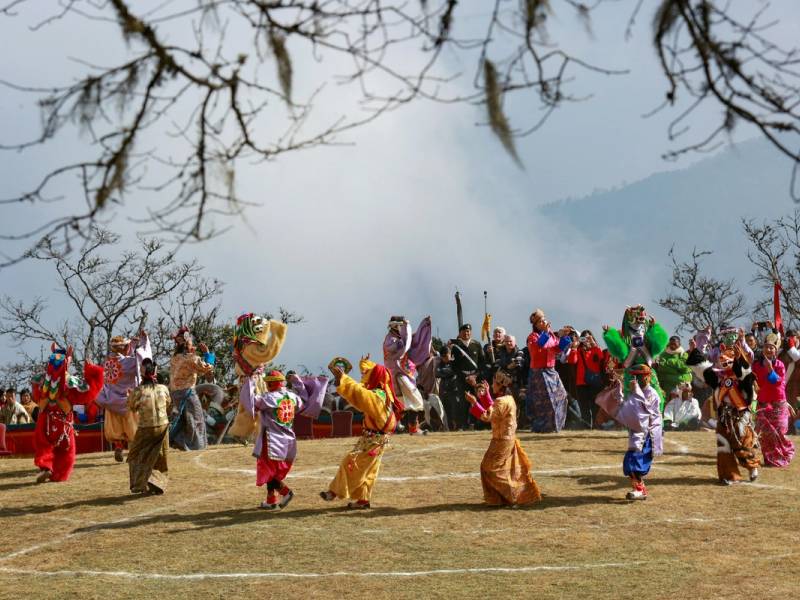
The dzong’s biggest days come with the Paro Tshechu, held from the 11th to the 15th of the second month of the Bhutanese calendar, usually in March or April. The masked dances take place on the Deyangkha ground by the dzong, and the whole valley turns out in its best clothes. Before dawn on the last day, the Guru Thongdrel, an embroidered image of Guru Rinpoche’s eight manifestations and his two consorts, large enough to cover a three-storey building, is unrolled at around 3 am and taken back into the dzong before the sun can touch it. The Paro Dzongkhag’s festival page (opens in a new tab) gives the ritual calendar. For dates, see our festival calendar and our first-timer’s guide to tshechu festivals.
Visiting: dress, photos and timing
- Dress. Cover shoulders to knees: long sleeves, a shirt with a collar, long trousers or a long skirt. No shorts, sleeveless tops or hats inside the walls. More in our cultural etiquette guide.
- Photos. You can photograph the courtyards and the building. Inside the chapels, cameras and phones stay away.
- A guide is required to enter dzongs and monuments, as the official Bhutan travel FAQs (opens in a new tab) note.
- Time. An hour to an hour and a half is enough for the courtyards and a chapel or two. Keep your voice down near the offices and the prayer halls.
Getting there
From the centre of Paro town the dzong is a short walk: down to the river, across Nyamai Zam and up the paved path to the gate. The other way is to be driven up the road towards the National Museum and walk down to the dzong, then leave on foot across the old bridge. That route is downhill all the way and ends back in town.
Tips from our guides
- Pair it with the National Museum of Bhutan (opens in a new tab) in Ta Dzong, just up the hill. Seeing the museum’s thangkas and masks first makes the dzong’s chapels easier to read.
- Late afternoon is the best light on the walls, and the dzong is lit after dark. The view from the riverbank after dinner is worth the short walk.
- If you are in Bhutan for the Tshechu, visit the dzong on a quieter day beforehand so you know the layout.
- Compare it with Tashichho Dzong in Thimphu and Punakha Dzong later in your trip. Each dzong has its own character.
- The walk up to Tiger’s Nest fills a whole day, so the dzong fits well on your arrival afternoon or the day after. See the Paro page for the rest of the valley.
Last reviewed 24 September 2026
More to see in Paro
Tiger's Nest Monastery
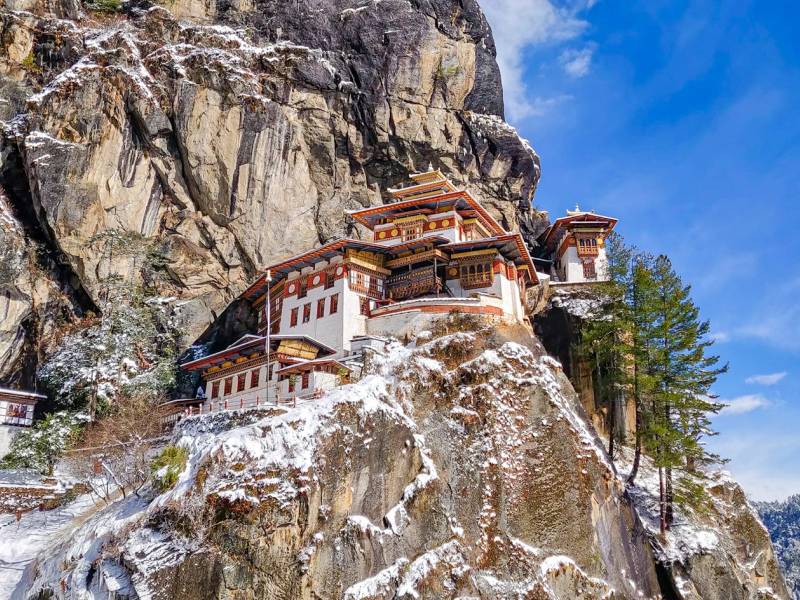
Paro Taktsang, the Tiger's Nest, clings to a cliff about 900 metres above the Paro valley. Guru Rinpoche is said to have meditated in its cave in the 8th century; the temples you visit today were first built in 1692 and rebuilt after a fire in 1998.
Chele La Pass
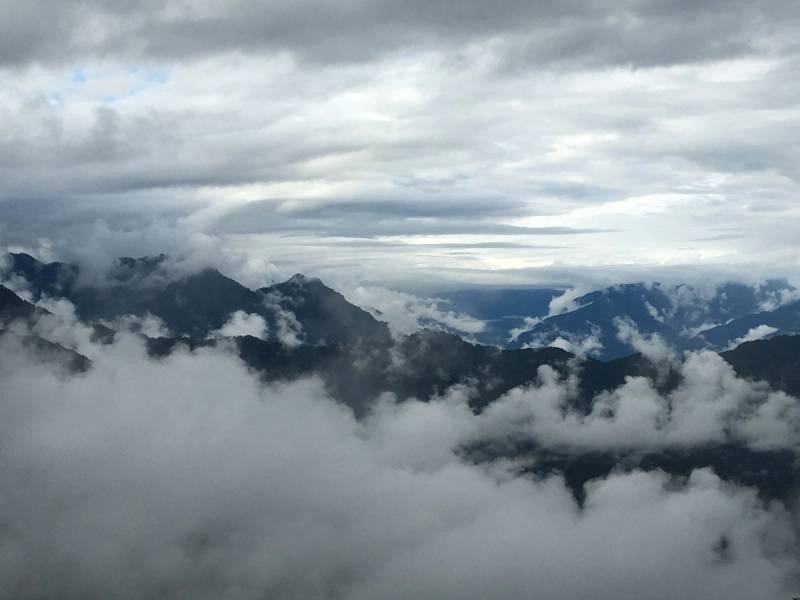
Chele La is the road pass between Paro and the Haa Valley, usually given as 3,988 metres. On a clear morning you can see Jomolhari from the prayer flags at the top. Most people stop here on the drive into Haa, or walk down to Kila Goemba nunnery.
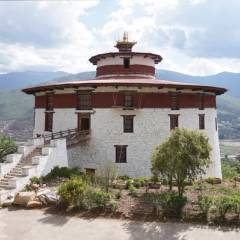
National Museum of Bhutan
Bhutan's first museum has been housed since 1968 in Ta Dzong, the round watchtower built in 1649 above Paro Dzong. Restored after the 2011 earthquake and reopened in 2020, it holds thangkas, masks, bronzes, old weapons, postage stamps and natural history displays.
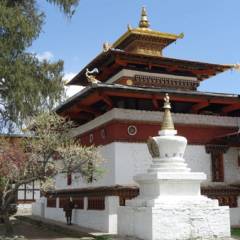
Kyichu Lhakhang
One of Bhutan's oldest temples, traditionally dated to 659 and credited to the Tibetan king Songtsen Gampo as one of 108 temples built to pin down a demoness. Its Jowo Shakyamuni statue is revered as highly as the Jowo in Lhasa. It is a few minutes' drive north of Paro town.
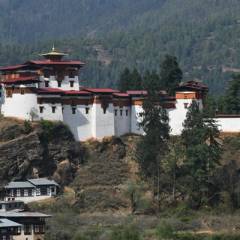
Drukgyel Dzong
Built in 1649 at the head of the Paro valley to mark victory over Tibetan invaders, the fortress of the victorious Drukpas burned in 1951 and stood as a ruin for decades. Rebuilt with traditional methods on the King's command from 2016, the work was completed in December 2022.
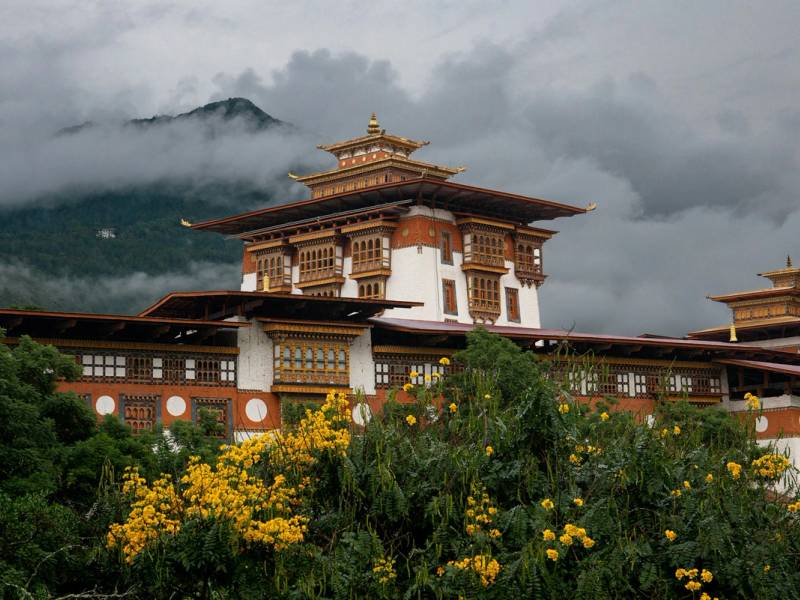
Planning a trip that includes Paro Dzong (Rinpung Dzong)?
Tell us when you would like to travel. We reply within 24 hours with a free day-by-day plan and a price.

Karma ChodenOperations manager, Bhutan Tour Itinerary
Or call +975 17 81 70 52info@bhutantouritinerary.com
Mon–Sat, 9am–6pm Bhutan time (GMT+6)