Paro
- Region
- Western Bhutan
- Altitude
- 2,200 m
- Best time
- March–April for Paro Tshechu and spring blooms; October–November for clear mountain views
- Getting there
- Arrive directly at Paro International Airport — Bhutan's only airport for international flights
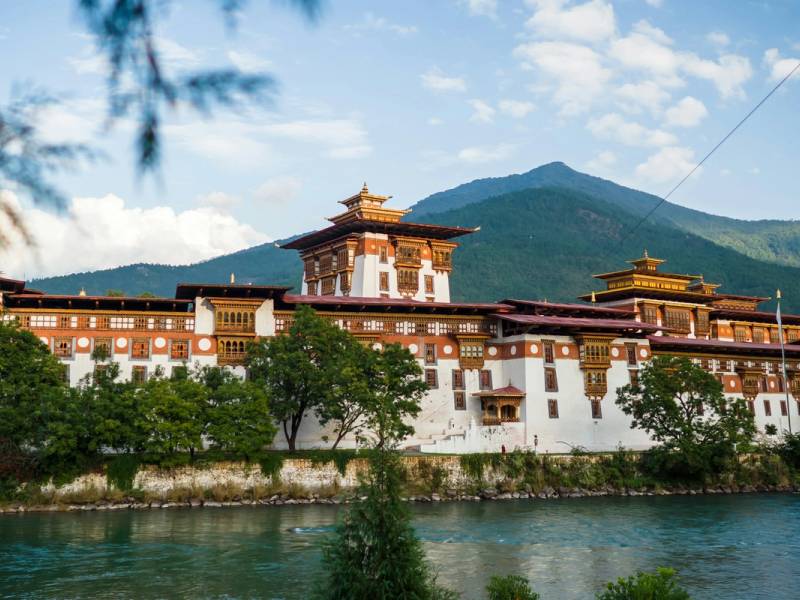
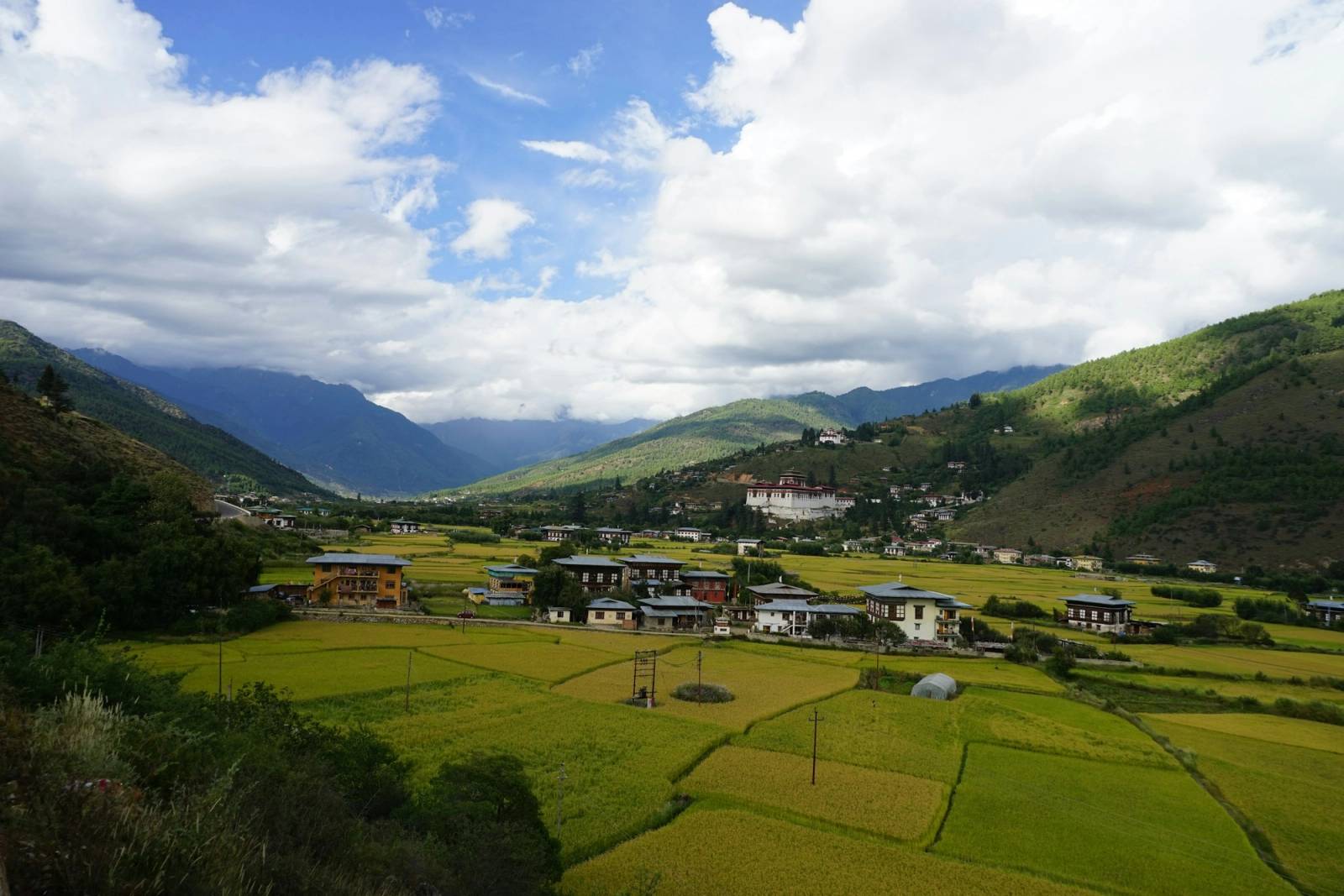
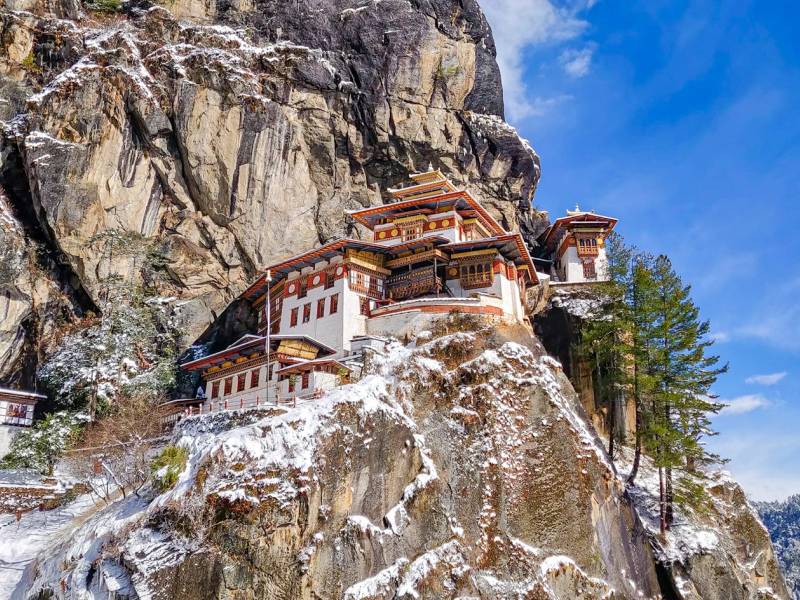
Paro sits at about 2,200 metres in a wide valley of rice terraces and farmhouses, ringed by pine-forested hills. It’s the only town in Bhutan with an airport, so most private trips start and end here. The valley’s best-known walk climbs to Taktsang Palphug Monastery — the Tiger’s Nest — built into a cliff face above the valley floor; the hike up and back takes most of a day.
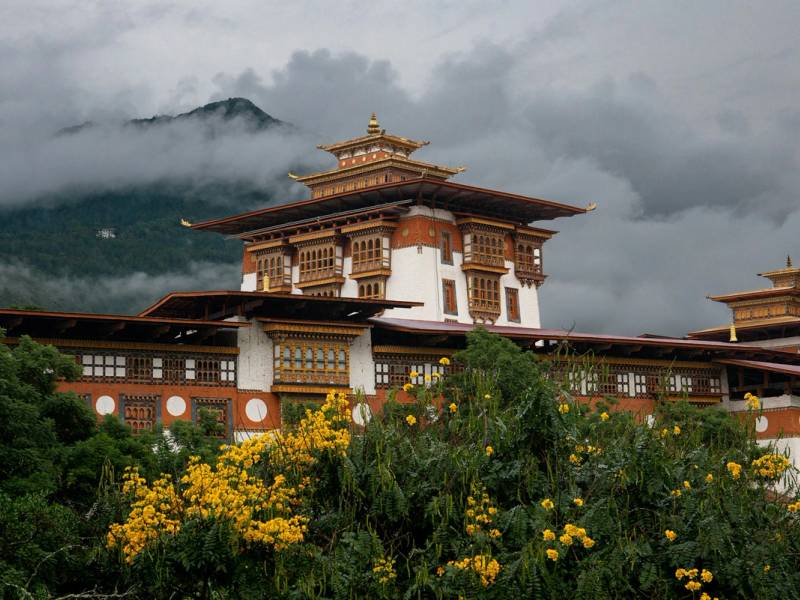
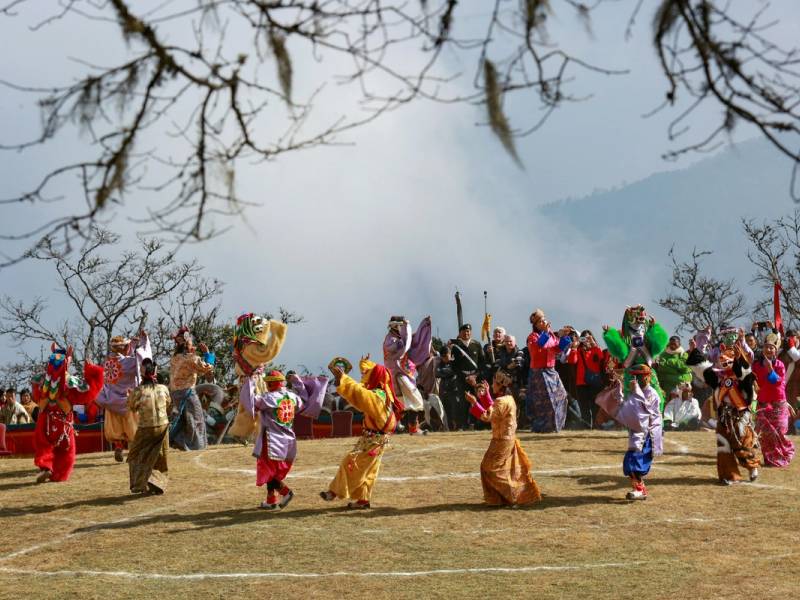
Paro’s own dzong, Rinpung Dzong, hosts the Paro Tshechu each spring, one of the most attended festivals in the country, with masked cham dances performed in the dzong courtyard. Kyichu Lhakhang, a few minutes from town, is among the oldest temples in Bhutan. For how festival dates are set each year, see our festival calendar guide; the Tourism Council of Bhutan (opens in a new tab) publishes the confirmed dates.
Things to see in Paro
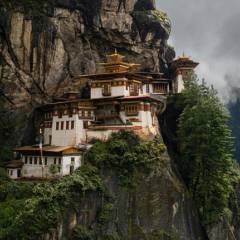
Tiger's Nest Monastery
Paro Taktsang, the Tiger's Nest, clings to a cliff about 900 metres above the Paro valley. Guru Rinpoche is said to have meditated in its cave in the 8th century; the temples you visit today were first built in 1692 and rebuilt after a fire in 1998.
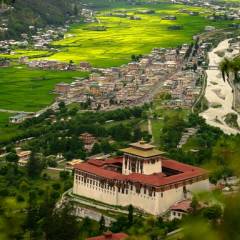
Paro Dzong (Rinpung Dzong)
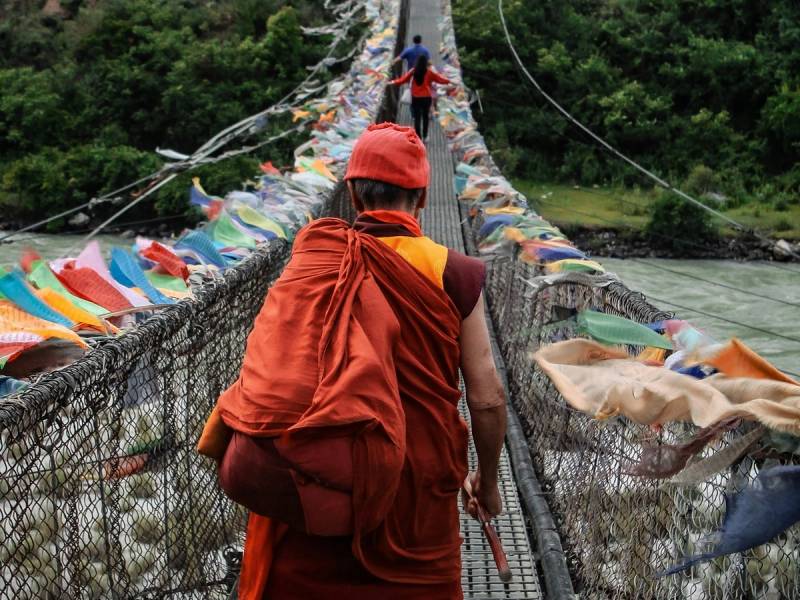
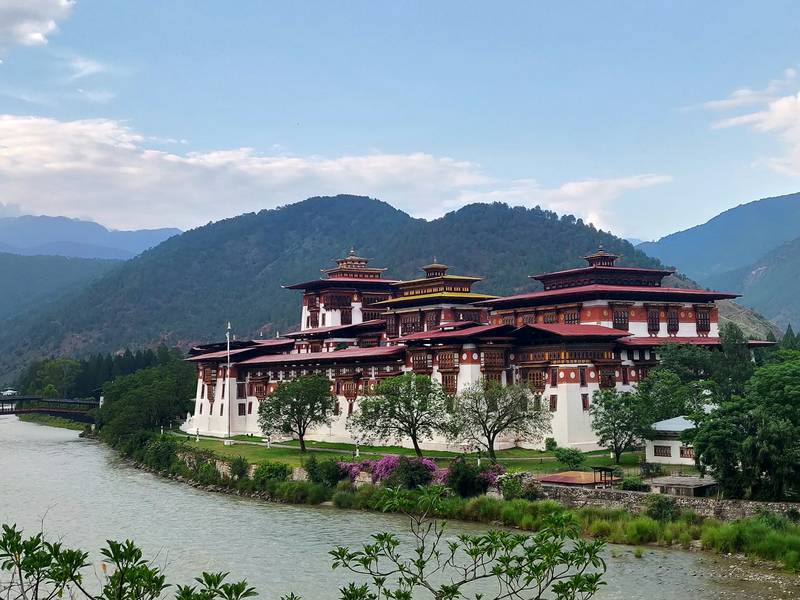
Rinpung Dzong, consecrated in 1646, is Paro's fortress-monastery: home to the district monk body and government offices, and the setting for the Paro Tshechu each spring. You reach it on foot across a covered wooden bridge over the Paro Chhu.
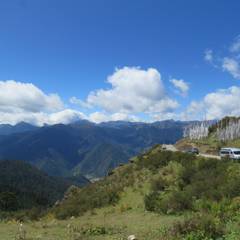
Chele La Pass
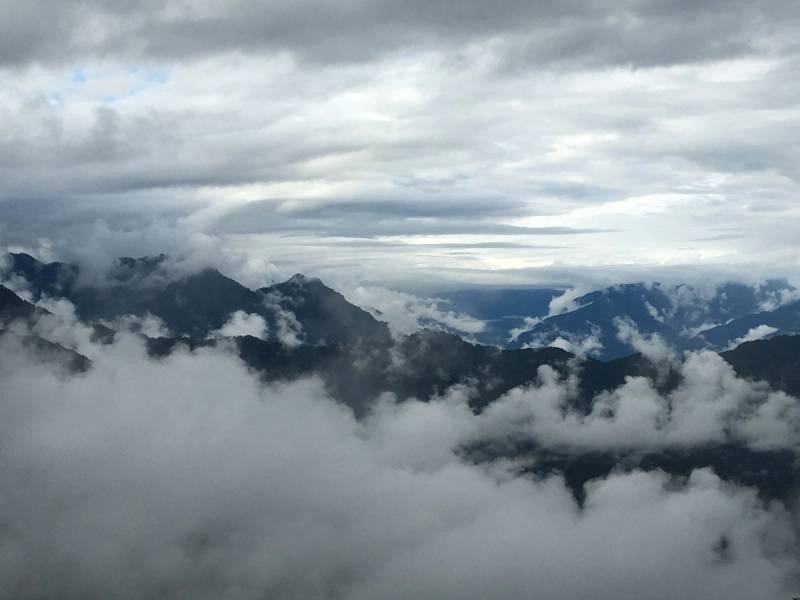
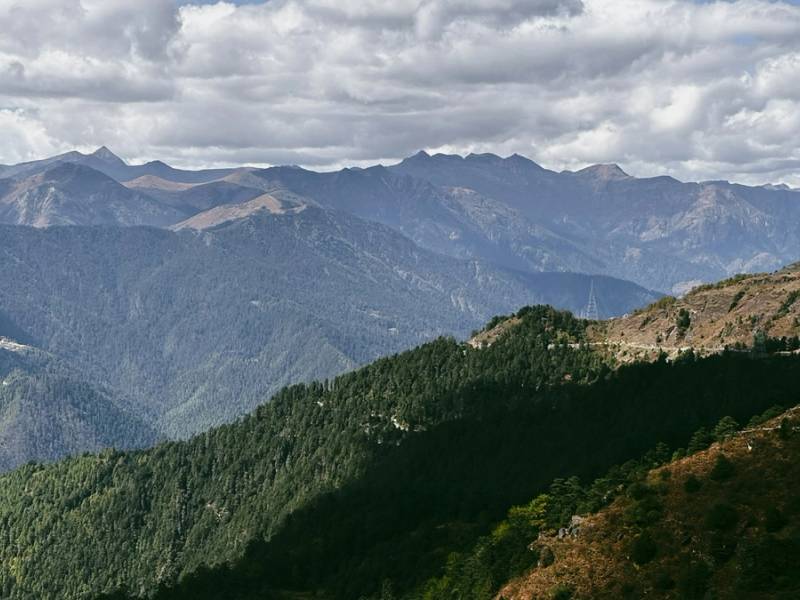
Chele La is the road pass between Paro and the Haa Valley, usually given as 3,988 metres. On a clear morning you can see Jomolhari from the prayer flags at the top. Most people stop here on the drive into Haa, or walk down to Kila Goemba nunnery.
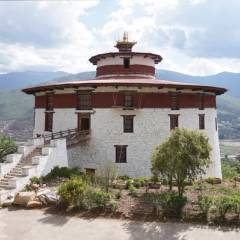
National Museum of Bhutan
Bhutan's first museum has been housed since 1968 in Ta Dzong, the round watchtower built in 1649 above Paro Dzong. Restored after the 2011 earthquake and reopened in 2020, it holds thangkas, masks, bronzes, old weapons, postage stamps and natural history displays.
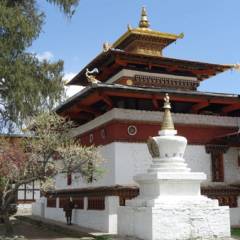
Kyichu Lhakhang
One of Bhutan's oldest temples, traditionally dated to 659 and credited to the Tibetan king Songtsen Gampo as one of 108 temples built to pin down a demoness. Its Jowo Shakyamuni statue is revered as highly as the Jowo in Lhasa. It is a few minutes' drive north of Paro town.
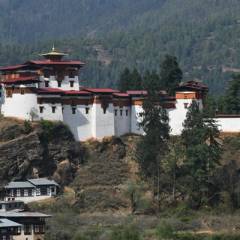
Drukgyel Dzong
Built in 1649 at the head of the Paro valley to mark victory over Tibetan invaders, the fortress of the victorious Drukpas burned in 1951 and stood as a ruin for decades. Rebuilt with traditional methods on the King's command from 2016, the work was completed in December 2022.
Places near Paro
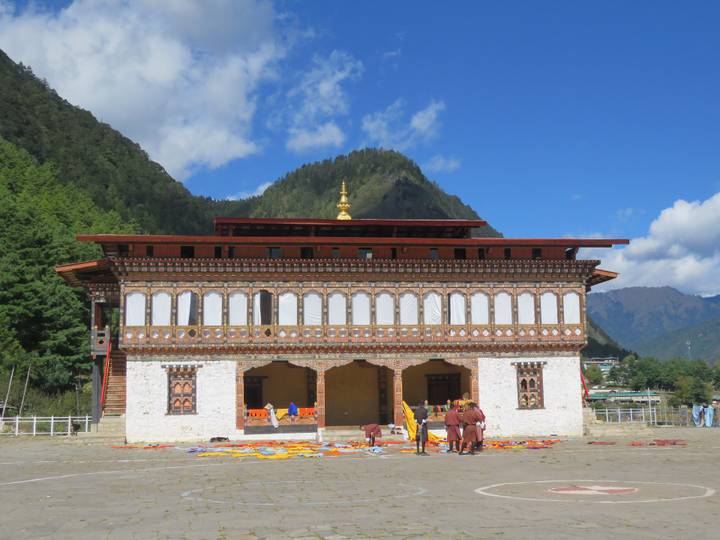
Haa Valley
A high, quiet valley over Chele La from Paro, with 7th-century temples, herding villages and buckwheat dumplings called hoentay.
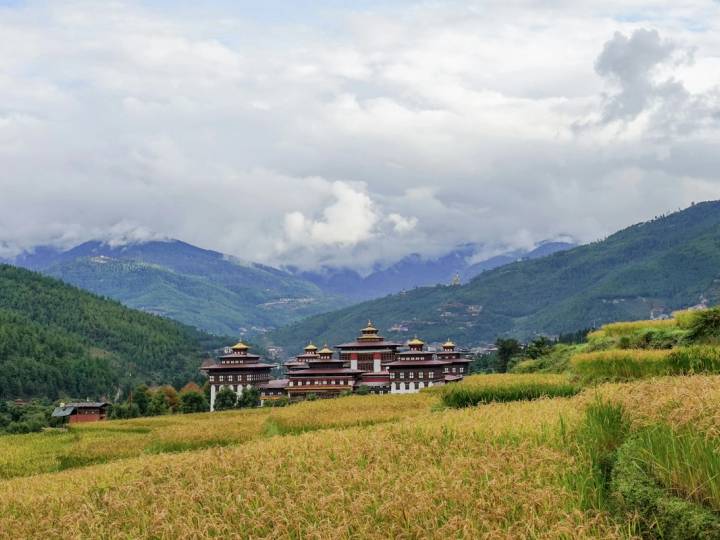
Thimphu
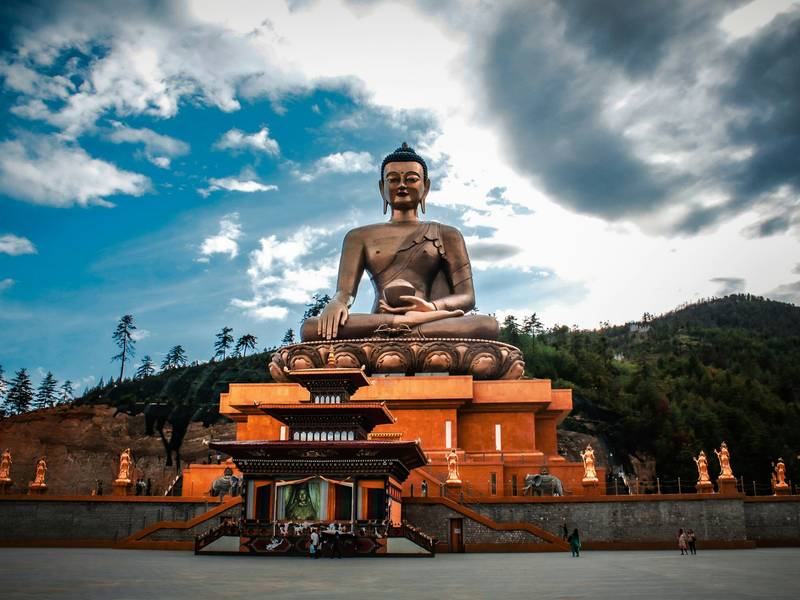
Bhutan’s capital and largest town, with no traffic lights and a 51-metre bronze Buddha on the hillside above it.
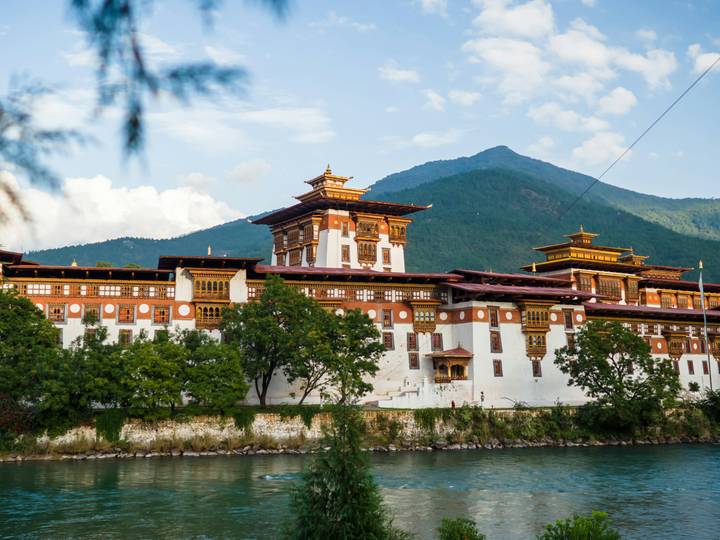
Punakha
The former capital, warmer and lower than Paro or Thimphu, built around a dzong at the meeting of two rivers.
Planning a trip that includes Paro?
Tell us when you would like to travel. We reply within 24 hours with a free day-by-day plan and a price.

Karma ChodenOperations manager, Bhutan Tour Itinerary
Or call +975 17 81 70 52info@bhutantouritinerary.com
Mon–Sat, 9am–6pm Bhutan time (GMT+6)