Samdrup Jongkhar
- Region
- Eastern Bhutan
- Altitude
- 143–926 m
- Best time
- October–March; late December or early January for the tshechu
- Getting there
- About 3 hours by road from Guwahati in Assam, or about 6–7 hours from Trashigang
The border town of the south-east
Samdrup Jongkhar sits in the south-eastern foothills where Bhutan meets the plains of Assam. The municipality runs from 143 m to 926 m, hot in summer and warm in winter. It is a town of about 9,300 people (2017 census), the district seat with its dzong, and a trading centre for the eastern districts: potatoes, mandarins and ginger from the hills are sold at its auction yard.
It is the eastern one of the four official road entry points from India (opens in a new tab) listed by the Department of Tourism, and international visitors have been able to cross here since the Darranga Immigration Check Post on the Indian side opened on 7 November 2024 (opens in a new tab). Guwahati is about 3 hours away by road.
Most visitors need a Bhutan visa, which we arrange, and most also need an Indian visa for the drive through Assam. Rules differ by passport and can change, so check the current entry points with us before you book flights to Guwahati, and see visa and immigration.
Dewathang and the war of 1865
Dewathang, 18 km north of town, was the fort of Dewangiri in the Duar War of 1864–65 with British India, taken by British troops early in the war. In early 1865 Bhutanese forces under Jigme Namgyel, the Trongsa Penlop and father of the first king, Ugyen Wangchuck, cut off its water. On 5 February the garrison broke out, and the Bhutanese took the fort and two British howitzers. The British retook it by April.
The war ended with the Treaty of Sinchula on 11 November 1865, under which Bhutan ceded the Assam and Bengal Duars, the plains along its southern border. Dewathang is now part of the Samdrup Jongkhar municipality, with a large Royal Bhutan Army area and Jigme Namgyel Engineering College.
What to see in Samdrup Jongkhar
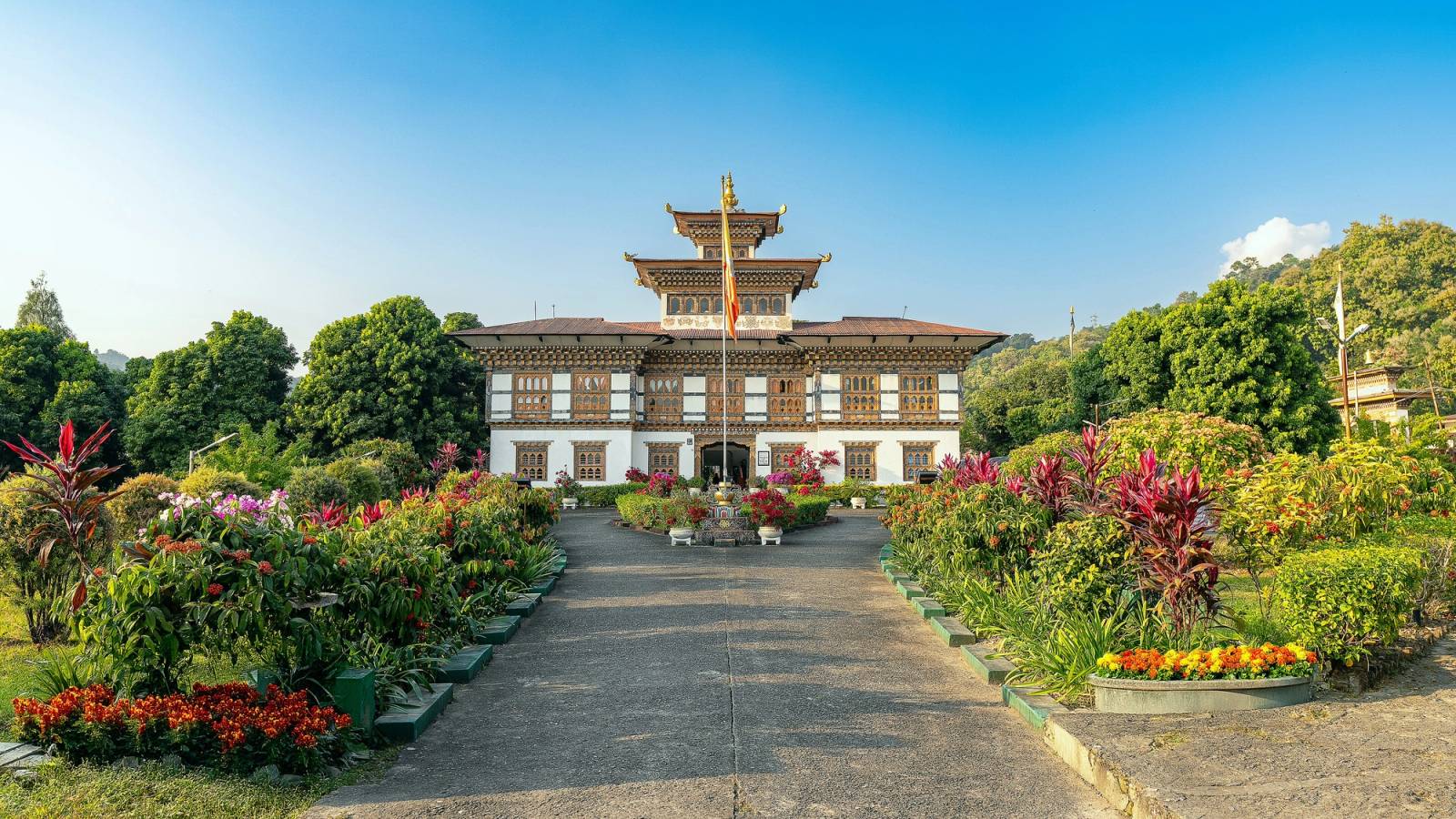
Zangdopelri. The three-storey temple near the centre of town is named after Guru Rinpoche’s Copper Mountain paradise, and some older residents visit it daily to pray.
Dungsam Community Seed Bank. On the Dewathang campus of the Chökyi Gyatso Institute, a monastic college, this seed bank set up by the Samdrup Jongkhar Initiative had collected 68 varieties of traditional cereals by 2022, besides local vegetable seeds. Farmers borrow seed and, once they have grown their own, repay it with an extra bowl of each kind.
The road over Narphung. The highway north climbs out of the sal and teak forest of the plains, past Dewathang, to about 1,920 m before dropping to Narphung. The Department of Tourism records 262 bird species (opens in a new tab) on the Narphung–Samdrup Jongkhar route, which runs between 150 m and 1,900 m.
Seasons and the Samdrup Jongkhar Tshechu
October–March is the most comfortable time to visit. July and August bring the most landslides and roadblocks in Bhutan, and Samdrup Jongkhar has been among the worst-affected districts.
The Samdrup Jongkhar Tshechu runs for three days in late December or early January, set by the lunar calendar; in 2026 it is tentatively 22–24 December. See the festival calendar for other dates.
For more, see the best time to visit Bhutan and Bhutan’s weather by region.
How Samdrup Jongkhar fits into a trip
The 180 km drive north to Trashigang takes about 6–7 hours, over three passes between 2,190 m and 2,430 m. From Trashigang, Trashiyangtse is about 90 minutes further and Mongar a little over 3 hours.
The east is usually added to a central Bhutan trip after Bumthang, and we plan it privately on request.
With the border open, a trip can run one way: cross west to east and fly out of Guwahati, or start here and finish in Paro. Fewer than a thousand tourists used the crossing in its first ten months. See getting around Bhutan.
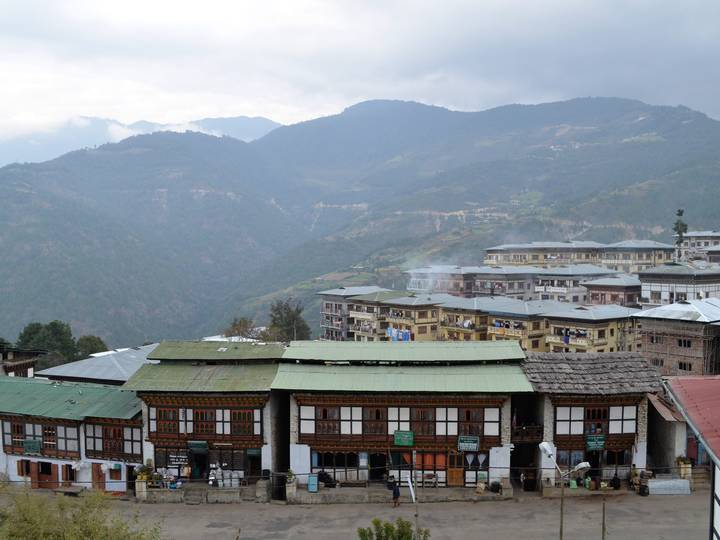
Photo: Donvikro, CC BY-SA 4.0, via Wikimedia Commons (opens in a new tab)
Things to see in Samdrup Jongkhar
Zangdopelri
The three-storey Zangdopelri near the centre of Samdrup Jongkhar is named after Guru Rinpoche's Copper Mountain paradise, Zangdok Palri. Some older residents of the town visit it every day to pray.
Dungsam Community Seed Bank
On the Dewathang campus of the Chökyi Gyatso Institute, a monastic college 18 km north of town, the Dungsam Community Seed Bank had collected 68 varieties of traditional cereals by 2022. Set up by the Samdrup Jongkhar Initiative, it lends seed to farmers, who repay it with an extra bowl of each kind.
The road over Narphung
The highway north from Samdrup Jongkhar climbs out of the sal and teak forest of the plains, past Dewathang, the 1865 battle site, to about 1,920 m before dropping to Narphung. The Department of Tourism records 262 bird species on the Narphung–Samdrup Jongkhar route, which runs between 150 m and 1,900 m.
Places near Samdrup Jongkhar
Trashigang
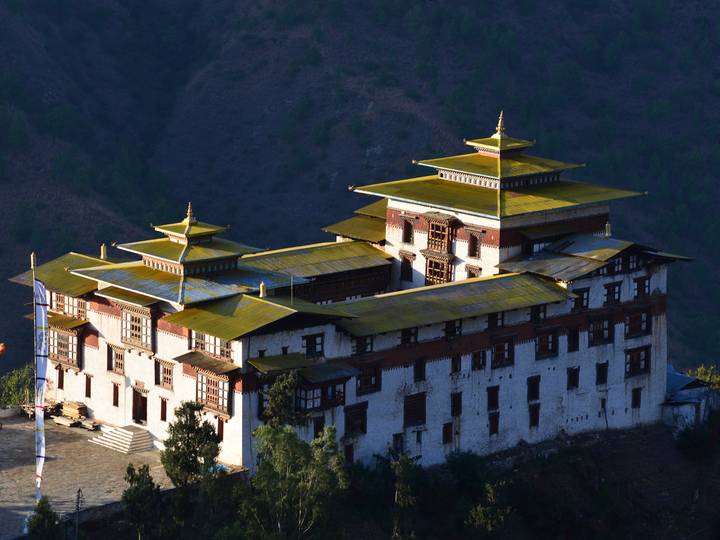
The market town of the far east: a 1659 dzong on a clifftop above two rivers, and beyond it the Brokpa highlands of Merak and Sakteng.
Trashiyangtse
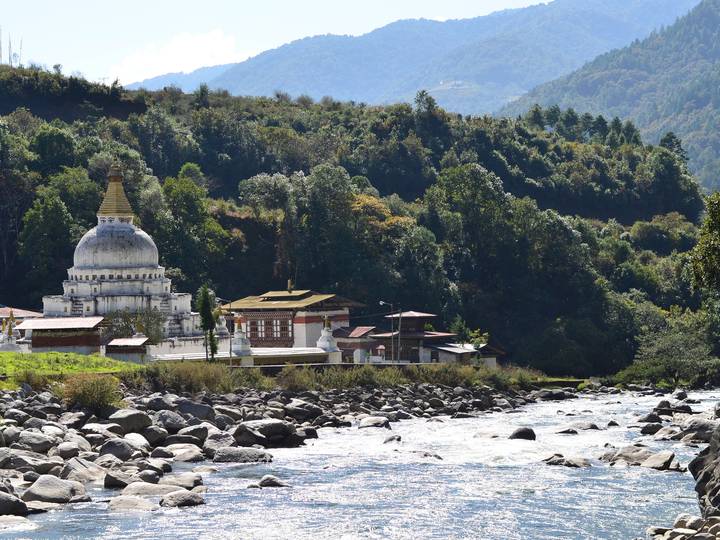
A small town in Bhutan's far north-east: the white stupa of Chorten Kora by the Kholong Chhu, a college of traditional crafts and the winter crane fields of Bumdeling.
Mongar
Where eastern Bhutan begins: a district town at 1,600 m, the ruins of Zhongar Dzong and Drametse, the monastery of the drum dance.
Planning a trip that includes Samdrup Jongkhar?
Tell us when you would like to travel. We reply within 24 hours with a free day-by-day plan and a price.

Karma ChodenOperations manager, Bhutan Tour Itinerary
Or call +975 17 81 70 52info@bhutantouritinerary.com
Mon–Sat, 9am–6pm Bhutan time (GMT+6)